
Choosing the right size HVAC system is one of the most important decisions a homeowner can make, yet it is often overlooked in favor of brand names, price points, or features. Installing a system that is too small will leave your home uncomfortable, forcing your equipment to run constantly while failing to maintain the desired temperature. Conversely, a system that is too large cycles on and off too frequently, leading to uneven heating or cooling, higher energy bills, and increased wear and tear on the equipment. Understanding what size of HVAC system does your home actually need ensures comfort, efficiency, and long-term reliability.
An HVAC system’s size is determined by its capacity, which is measured in British Thermal Units (BTUs) for heating and in tons for cooling. However, calculating the correct capacity requires more than just looking at square footage. Home layout, insulation quality, window placement, local climate, and the number of occupants all factor into the calculation. Relying solely on generic “square footage charts” can lead to costly mistakes, as these charts fail to account for these critical variables. According to the U.S. Department of Energy, proper sizing is crucial for energy efficiency, comfort, and system longevity.
At Kova Heating & Cooling, technicians emphasize that professional load calculations, often referred to as Manual J calculations, are the only reliable method to determine a home’s true heating and cooling requirements. During these calculations, factors such as ceiling height, air leakage, sun exposure, and even the type of roofing are assessed. This level of precision ensures that the installed HVAC system provides consistent comfort without overworking, reducing both energy costs and the risk of premature system failure.
For homeowners, understanding system sizing also means recognizing the signs of an improperly sized HVAC unit. Systems that are too small often run continuously, struggle during peak summer or winter months, and fail to reach the desired temperature. Oversized systems, on the other hand, may cool or heat the home quickly but turn off before moisture is properly removed, leaving the air feeling clammy or dry. Through careful assessment, Kova Heating & Cooling ensures that each home has the appropriately sized system for balanced, efficient performance.
Understanding HVAC Load Calculations
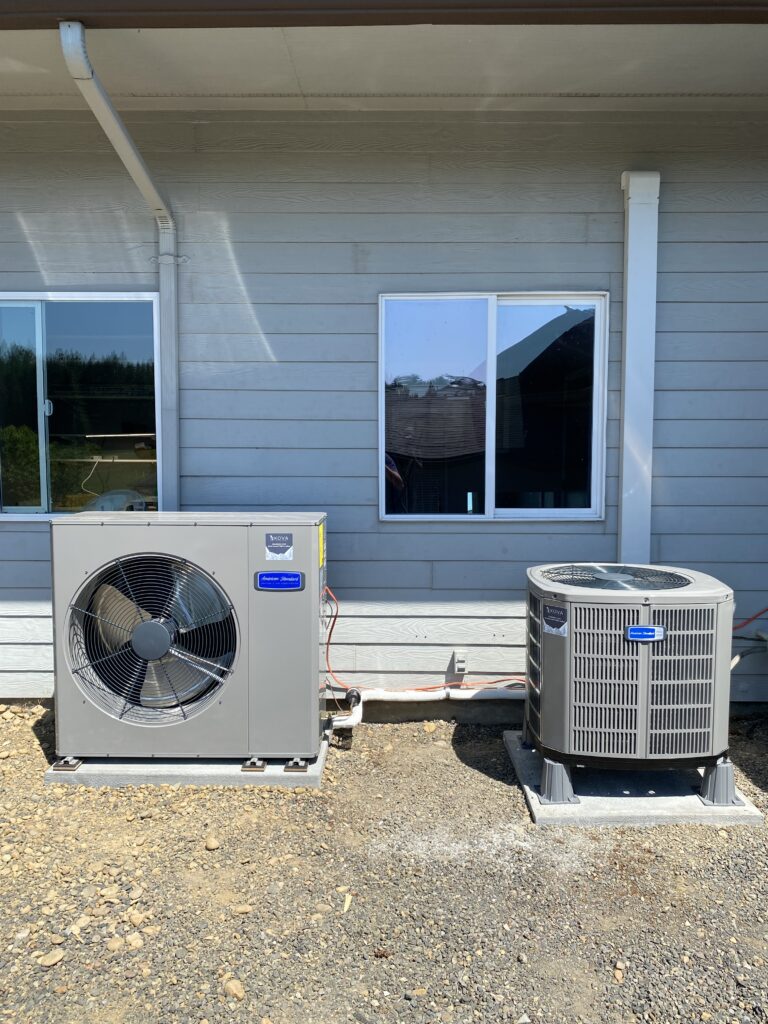
HVAC load calculations are the cornerstone of determining proper system size. These calculations go far beyond simple square footage, incorporating multiple variables that influence heating and cooling needs. The total load is the sum of the heat gain and heat loss for a home, which can vary significantly depending on insulation quality, window orientation, roof type, and even landscaping. By performing a precise calculation, homeowners can avoid the common pitfalls of both oversized and undersized equipment. Homeowners can refer to Energy Star For additional guidance on energy-efficient HVAC systems and proper sizing.
Heat gain is the process by which external heat enters the home, most commonly through windows, walls, and the roof. In warmer climates, homes with large sun-facing windows can experience substantial heat gain, requiring additional cooling capacity. Heat loss, on the other hand, occurs when warmth escapes the home during colder months. Factors such as poor insulation, air leaks, and old windows exacerbate heat loss, increasing the demand on a heating system. Both processes are evaluated during a Manual J calculation to determine exact HVAC requirements.
Kova Heating & Cooling applies advanced assessment techniques during these calculations. Their technicians measure insulation, air tightness, and ventilation, as well as assess existing ductwork performance. These evaluations help pinpoint inefficiencies and identify opportunities to enhance overall system performance. By integrating these findings into the sizing process, Kova Heating & Cooling ensures that each HVAC system operates at peak efficiency while maintaining optimal comfort.
Additionally, load calculations consider occupancy and lifestyle factors. A home with multiple residents or frequent guests generates additional heat that affects system performance. Kitchens, appliances, and electronics also contribute to internal heat gain. Considering these variables ensures that the HVAC system provides adequate performance under real-life conditions, preventing issues such as hot or cold spots, excessive cycling, or increased energy consumption.
Signs Your Home’s HVAC System Is the Wrong Size
Identifying whether a home’s HVAC system is properly sized is critical for both comfort and cost efficiency. One of the most common signs of an undersized system is an inability to reach or maintain the desired indoor temperature. During peak weather conditions, homeowners may notice rooms remaining too warm or too cold despite running the system continuously. This not only causes discomfort but also increases energy bills due to extended run times.
Oversized systems exhibit different symptoms. Homeowners may observe rapid temperature changes, followed by short cycling where the system frequently turns on and off. This prevents proper humidity control, leaving air either too dry in winter or too moist in summer. Oversized equipment also experiences more wear, leading to a higher likelihood of breakdowns and shorter operational lifespan. These issues highlight why precise sizing is essential for both comfort and long-term reliability.
Kova Heating & Cooling regularly inspects homes experiencing these problems. By analyzing equipment performance, duct efficiency, and indoor environmental conditions, they determine whether system size or installation is the underlying cause. Their solutions range from system replacement to ductwork adjustments, ensuring that the home receives exactly the capacity it requires without wasteful over- or under-sizing.
Other signs may be subtler but equally important, such as uneven temperatures across rooms, unusual noises, or higher-than-expected energy bills. Homeowners who notice these issues should consult a professional assessment rather than relying on guesswork or assumptions. Kova Heating & Cooling’s thorough inspections provide peace of mind while optimizing both comfort and efficiency.
Common Misconceptions About HVAC Sizing
Many homeowners operate under common misconceptions about HVAC sizing. One widespread belief is that a larger system will provide better comfort. While a bigger system might heat or cool a room faster, it often results in inefficient cycling, poor humidity control, and unnecessary energy consumption. Conversely, some believe a smaller unit will save money, but undersized systems struggle to maintain comfort and ultimately drive up costs over time.
Another misconception is that system size can be determined solely by square footage. Homes with identical square footage may have very different heating and cooling needs based on ceiling height, insulation, window types, sun exposure, and occupancy. Even renovations or additions can alter the load requirements, making a professional assessment necessary to ensure accurate sizing. Generic charts or online calculators rarely account for these variables.
Kova Heating & Cooling addresses these myths through education and precise engineering. Their technicians explain why proper sizing matters and demonstrate how real-world factors influence system capacity. By using industry-standard procedures such as Manual J and Manual D for ductwork, they provide transparency and accuracy, preventing costly mistakes and improving homeowner confidence.
Additionally, homeowners often assume that energy efficiency ratings alone dictate system performance. While ratings such as SEER and AFUE are important, they cannot compensate for incorrect sizing. A highly efficient but improperly sized system will still struggle to maintain comfort, consume more energy, and wear out prematurely. Professional sizing by Kova Heating & Cooling ensures that efficiency ratings are maximized and performance is optimized.
The Role of Ductwork and Airflow
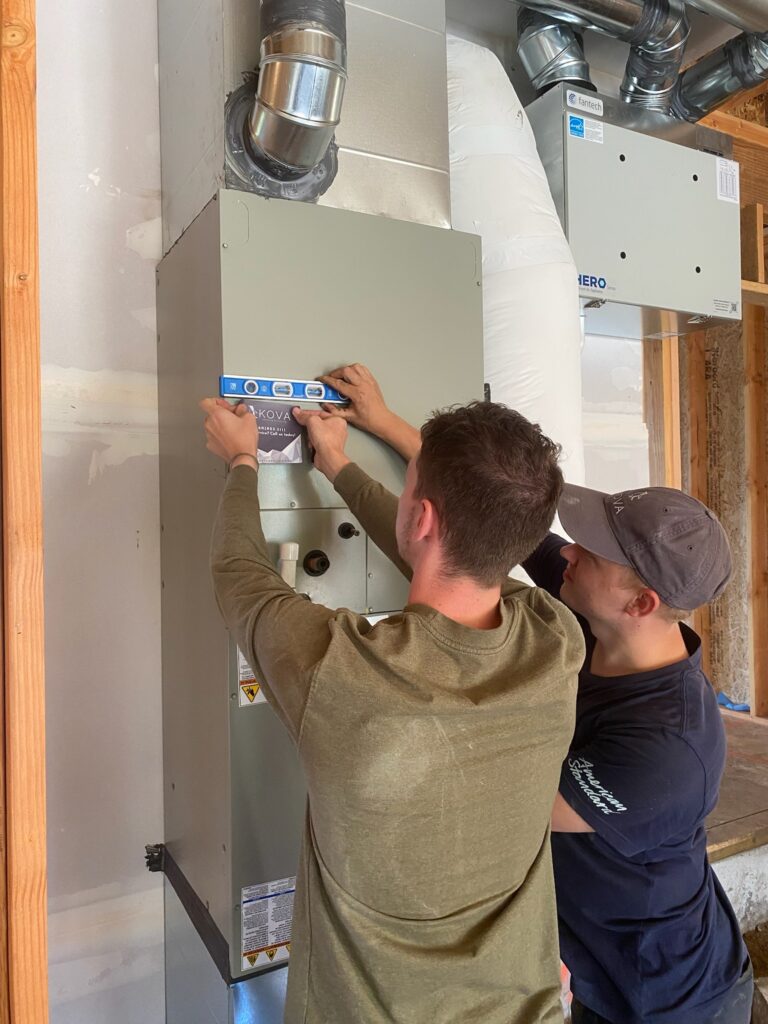
HVAC system size does not exist in isolation; proper ductwork and airflow are critical to performance. Even a perfectly sized system can fail if ducts are poorly designed, leaking, or obstructed. Airflow inefficiencies lead to uneven temperature distribution, higher energy bills, and increased wear on equipment. A system cannot deliver its full capacity if the air is not properly circulated throughout the home.
Kova Heating & Cooling evaluates ductwork during every sizing consultation. Their team checks for leaks, measures airflow, and ensures that ducts are appropriately sized for the system’s output. Adjustments or repairs may be recommended to balance the air distribution and maximize comfort. In many cases, optimizing ductwork allows a slightly smaller system to operate effectively, avoiding unnecessary oversizing.
Proper airflow also improves indoor air quality by ensuring that air passes through filters efficiently and reaches all areas of the home. This reduces the presence of dust, allergens, and pollutants, creating a healthier living environment. In addition, balanced airflow enhances humidity control, preventing damp areas or overly dry zones that can cause discomfort and damage to furnishings.
By combining correctly sized equipment with optimized ductwork, Kova Heating & Cooling ensures that each home receives consistent, efficient, and comfortable heating and cooling. This holistic approach avoids common mistakes and maximizes the value of the investment in HVAC equipment.
Energy Efficiency and Long-Term Cost Savings
Selecting the right HVAC system size has a direct impact on both energy efficiency and long-term costs, a topic widely discussed in energy research such as Aceee. Undersized systems consume more energy as they run continuously to maintain desired temperatures. Oversized systems may run short cycles, which wastes energy and reduces efficiency. A correctly sized system operates at the optimal balance, delivering comfort with minimal energy consumption.
Kova Heating & Cooling emphasizes that proper sizing not only reduces utility bills but also extends equipment lifespan. Systems that are too large or too small experience higher stress and more frequent breakdowns, increasing repair costs over time. By ensuring accurate sizing, homeowners avoid unnecessary expenses and maximize the return on their HVAC investment.
In addition to efficiency, properly sized systems allow for better integration with modern HVAC technologies. Zoning systems, smart thermostats, and advanced humidity controls perform optimally when the equipment matches the home’s requirements. This creates a more comfortable and controlled indoor environment while leveraging energy-saving features to their fullest potential.
Homeowners who invest in professional sizing and quality installation from Kova Heating & Cooling can expect long-term savings in both energy costs and maintenance. Their expertise ensures that homes are equipped with systems that meet real-world needs rather than generic recommendations, providing peace of mind and consistent comfort year-round.
Conclusion: Why Professional HVAC Sizing Matters
Choosing the right HVAC system is more than a technical requirement—it is a fundamental step in creating a comfortable, efficient, and healthy home. Incorrect sizing leads to discomfort, higher energy bills, and premature equipment wear. Understanding what size of HVAC system does your home actually need ensures that heating and cooling systems perform effectively and reliably.
Kova Heating & Cooling provides homeowners with the knowledge, tools, and professional expertise needed to achieve optimal system sizing. Through detailed load calculations, ductwork analysis, and equipment assessments, they deliver solutions tailored to the unique conditions of each home. Their commitment to accuracy and customer education sets them apart as trusted partners in home comfort.
Proper sizing also allows homeowners to take full advantage of energy-efficient technologies and advanced HVAC features. By combining expert assessment with high-quality equipment, homes can maintain consistent temperatures, manage humidity, and enjoy reduced energy costs. Oversizing or undersizing is no longer a concern when systems are professionally evaluated and installed.
Investing in professional HVAC sizing is ultimately an investment in comfort, efficiency, and long-term savings. Homeowners who work with Kova Heating & Cooling can rest assured that their system will deliver balanced performance, optimal air quality, and reliable comfort for years to come.