
Introduction
Smart thermostats have become one of the most talked-about upgrades in modern home comfort systems. Homeowners are constantly searching for ways to reduce utility costs, improve convenience, and gain more control over indoor temperatures. As technology continues to evolve, these devices promise to do far more than simply adjust heating and cooling settings. Manufacturers often advertise features such as learning capabilities, mobile control, energy monitoring, and automated scheduling. With so many claims surrounding their benefits, many homeowners naturally wonder whether smart thermostats truly deliver enough value to justify the investment.
Unlike traditional temperature controls that require manual adjustments, smart thermostats are designed to adapt to household routines and optimize HVAC operation automatically. They collect data, monitor usage patterns, and make adjustments based on occupancy, weather conditions, and user preferences. This ability to respond dynamically can create a more efficient and comfortable indoor environment. However, the actual value depends on several factors, including system compatibility, installation quality, homeowner habits, and overall HVAC performance. Understanding these factors is essential before deciding whether an upgrade makes sense.
At Kova Heating, smart thermostat consultations have become increasingly common as homeowners look for practical ways to improve efficiency without replacing their entire HVAC system. Technicians often explain that while these devices can provide meaningful benefits, they perform best when paired with a properly maintained heating and cooling system. A thermostat can only manage the equipment connected to it. If airflow issues, aging components, or ductwork problems exist, even the most advanced control technology may not achieve its full potential.
The growing popularity of smart home technology has also encouraged homeowners to think differently about energy management. Instead of simply reacting to indoor temperatures, people now have the opportunity to proactively monitor and optimize system performance. According to Energy Star’s heating and cooling resources, smart controls can contribute to improved efficiency when used correctly as part of a comprehensive HVAC strategy. Understanding both the advantages and limitations of these devices helps homeowners determine whether smart thermostats are truly worth the investment.
What Makes a Smart Thermostat Different from a Traditional Thermostat?
For decades, traditional thermostats performed a straightforward task: they measured indoor temperature and activated heating or cooling equipment when adjustments were needed. While effective, these systems required homeowners to manually change settings throughout the day. Many people forgot to make those adjustments, causing HVAC systems to operate unnecessarily while homes sat empty. This often resulted in wasted energy and higher utility costs without improving comfort.
Smart thermostats take a much more sophisticated approach. Rather than relying solely on manual input, they collect information about household routines and environmental conditions. Some models learn daily schedules automatically, while others allow detailed programming through mobile applications. These devices can recognize when occupants leave the home and adjust temperatures accordingly. They can also resume comfort settings before residents return, ensuring the home remains comfortable without unnecessary energy use during unoccupied periods.
Another significant difference involves connectivity. Most smart thermostats connect to wireless networks, allowing homeowners to control settings remotely through smartphones, tablets, or computers. This flexibility provides greater control over indoor comfort regardless of location. Whether someone is at work, traveling, or simply relaxing in another room, adjustments can be made instantly. This convenience is one of the features that attracts many homeowners to smart thermostat technology.
Kova Heating often explains that the value of these advanced features depends on how homeowners use them. While remote access and automation are impressive, the greatest benefits typically come from improved efficiency and consistent system management. By helping homeowners understand how to use these features effectively, Kova Heating ensures that technology enhances comfort rather than becoming an underutilized accessory.
The Potential Energy Savings Behind Smart Technology
One of the primary reasons homeowners consider smart thermostats is the promise of lower energy bills. Heating and cooling equipment represents a significant portion of residential energy consumption, making temperature management an important factor in household expenses. Small adjustments made consistently throughout the year can create noticeable savings. Smart thermostats are designed to identify opportunities for these adjustments automatically.
Traditional systems often continue operating at full comfort settings even when no one is home. Smart controls help eliminate this inefficiency by adjusting temperatures based on occupancy patterns. Instead of maintaining the same temperature throughout the day, the system reduces unnecessary runtime during periods when comfort demands are lower. These adjustments occur gradually and strategically, minimizing energy use without sacrificing convenience.
Many devices also provide detailed energy reports that allow homeowners to understand how their HVAC system is operating. These reports identify usage trends, highlight opportunities for improvement, and encourage more efficient habits. Rather than guessing why utility costs fluctuate, homeowners gain access to data that supports informed decision-making. This transparency can be particularly valuable for families seeking long-term savings.
The U.S. Department of Energy emphasizes that programmable and intelligent temperature controls can help reduce heating and cooling expenses when used correctly. Homeowners interested in improving HVAC efficiency can learn more through the Department of Energy’s energy-saving guidance. While savings vary depending on household habits and climate conditions, many homeowners experience meaningful reductions in energy consumption over time.
Improved Comfort Through Better Temperature Management
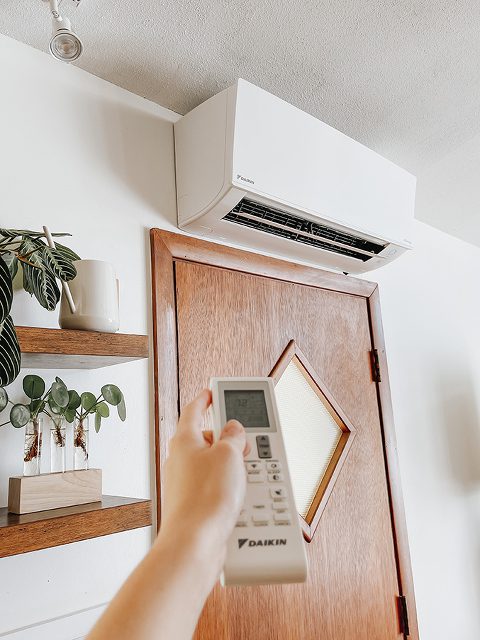
Comfort is often discussed in terms of temperature alone, but maintaining a pleasant indoor environment involves much more than simply setting a thermostat. Consistency plays a major role in how comfortable a home feels throughout the day. Sudden temperature swings, uneven room conditions, and delayed system response can all reduce overall comfort even when the thermostat appears correctly adjusted. Smart thermostats help address these challenges through more precise management.
Many advanced models continuously monitor indoor conditions and make small adjustments to maintain stability. Rather than waiting for large temperature changes before activating equipment, they respond more proactively. This results in smoother transitions and fewer noticeable fluctuations. Occupants often perceive the home as more comfortable because temperatures remain more consistent throughout the day.
Some systems also integrate with additional sensors placed in different rooms. These sensors help identify temperature variations throughout the home and provide a broader understanding of indoor conditions. Instead of relying on a single thermostat location, the system can respond to multiple areas. This improves comfort distribution and reduces the likelihood of hot or cold spots.
Kova Heating frequently recommends smart thermostat solutions for homeowners struggling with inconsistent comfort patterns. By combining advanced controls with professional system evaluations, technicians help ensure that heating and cooling equipment responds effectively to actual household needs. This integrated approach often produces improvements that extend beyond energy savings alone.
When Smart Thermostats May Not Deliver Expected Results
Despite their many advantages, smart thermostats are not a universal solution for every HVAC challenge. Homeowners sometimes expect dramatic improvements immediately after installation, only to discover that underlying system issues continue affecting performance. A thermostat controls HVAC operation, but it cannot correct airflow restrictions, refrigerant problems, duct leakage, or mechanical wear. These issues must be addressed separately.
Older HVAC systems may also present compatibility challenges. While many modern devices support a wide range of equipment, certain configurations require additional components or professional adjustments. Attempting installation without verifying compatibility can lead to operational issues or reduced functionality. Proper evaluation before installation helps avoid these complications.
Another consideration involves homeowner behavior. Smart thermostats are most effective when their features are actively utilized. Simply installing the device without configuring schedules, reviewing reports, or using automation settings may limit potential benefits. Some households achieve excellent results, while others experience minimal savings because they do not take advantage of available features.
At Kova Heating, thermostat upgrades are typically recommended as part of a broader efficiency strategy rather than a standalone solution. Technicians evaluate the condition of the entire HVAC system before recommending technology upgrades. This ensures homeowners receive realistic expectations and maximize the value of their investment.
Smart Thermostats and Long-Term HVAC Performance
Beyond convenience and energy savings, smart thermostats can contribute to healthier long-term HVAC operation. Equipment that cycles excessively or operates unnecessarily experiences greater wear over time. By optimizing runtime and reducing unnecessary operation, smart controls help decrease strain on critical components. This can support longer equipment lifespan and more reliable performance.
Many advanced devices provide maintenance reminders that encourage homeowners to replace filters, schedule inspections, and monitor system performance. These reminders help prevent small maintenance issues from developing into larger problems. Consistent attention to maintenance supports both efficiency and reliability throughout the life of the system.
Performance monitoring features also help identify unusual operating patterns. If runtime suddenly increases or temperatures become difficult to maintain, homeowners may recognize potential problems earlier than they otherwise would. Early detection allows for prompt professional evaluation before inefficiencies become more costly. This proactive approach can reduce repair expenses while maintaining comfort.
Research from the American Council for an Energy-Efficient Economy continues to highlight the value of intelligent energy management and efficient building technologies. Their findings emphasize that smart controls can play an important role in reducing energy waste when integrated into a comprehensive efficiency strategy. Combining advanced controls with professional HVAC maintenance creates the strongest foundation for long-term performance.
How Kova Heating Helps Homeowners Choose the Right Smart Thermostat
Not all smart thermostats offer the same features, compatibility, or performance. Some homeowners prioritize energy monitoring, while others focus on convenience, automation, or integration with existing smart home systems. Selecting the right device requires an understanding of both homeowner preferences and HVAC system requirements. Choosing incorrectly may limit functionality or create unnecessary complexity.
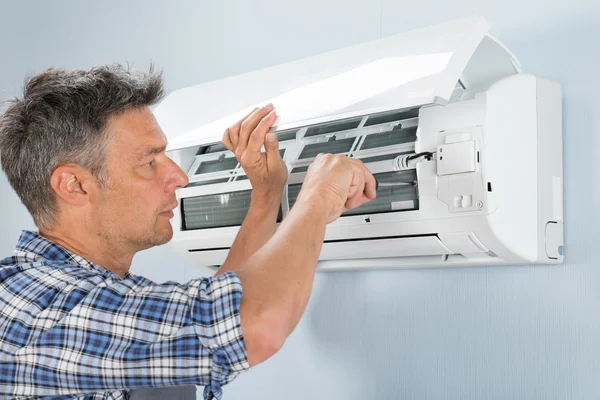
Kova Heating helps homeowners navigate these decisions through professional consultations and compatibility assessments. Technicians evaluate existing equipment, explain available features, and recommend options that align with household goals. This personalized guidance helps ensure homeowners invest in technology that delivers meaningful benefits rather than unnecessary features.
Installation quality is equally important. Proper setup ensures accurate communication between the thermostat and HVAC equipment. Calibration, wiring verification, and system testing all contribute to optimal performance. Professional installation also provides homeowners with an opportunity to learn how to use advanced features effectively.
Beyond installation, Kova Heating continues supporting homeowners through maintenance and performance evaluations. This ongoing relationship helps ensure that smart thermostat technology continues delivering value as household needs evolve over time.
Conclusion
Smart thermostats have earned their popularity because they offer a combination of convenience, efficiency, and enhanced control that traditional thermostats cannot match. Features such as automated scheduling, remote access, energy reporting, and adaptive temperature management provide meaningful benefits for many households. When used properly, these devices can help reduce energy consumption while improving daily comfort.
However, smart thermostats are not magic solutions that automatically eliminate every HVAC challenge. Their effectiveness depends on proper installation, system compatibility, homeowner engagement, and overall HVAC performance. Technology alone cannot overcome mechanical issues, airflow problems, or neglected maintenance. For this reason, smart thermostats perform best when incorporated into a broader strategy for home comfort and efficiency.
Kova Heating helps homeowners maximize the value of these devices by evaluating HVAC systems comprehensively and recommending solutions tailored to individual needs. Their expertise ensures that thermostat upgrades support both short-term comfort and long-term performance goals. By combining modern technology with professional guidance, homeowners gain a more reliable and efficient indoor environment.
If you are considering upgrading to a smart thermostat, Kova Heating can help determine whether the investment makes sense for your home. A professional consultation can identify opportunities for improved efficiency, enhanced comfort, and better control over heating and cooling costs throughout the year.
External Links
- Energy Star’s heating and cooling resources
- U.S. Department of Energy
- American Council for an Energy-Efficient Economy