Winter brings comfort, warmth, and the need for reliable heating, but it also brings higher energy bills that many homeowners struggle to manage. As temperatures drop, heating systems are pushed to work harder and run longer, which naturally increases energy consumption. For many households, this seasonal spike in costs can feel unavoidable. However, learning how to reduce heating bills during winter is not only possible—it is often much simpler than most homeowners expect when the right strategies are in place.
A significant portion of winter heating expenses comes from inefficiencies that go unnoticed. Small issues such as poor insulation, outdated thermostats, clogged filters, or neglected HVAC systems can all contribute to rising costs. According to the U.S. Department of Energy, heating accounts for a large percentage of home energy use and improving efficiency can significantly reduce costs. This means that even minor improvements can have a noticeable impact on monthly utility bills.
At Kova Heating & Cooling, technicians often work with homeowners who are surprised to learn how much money they can save simply by improving system efficiency and maintenance habits. Many customers assume that high heating bills are unavoidable during winter, but in reality, inefficient systems and poor maintenance practices are often the root cause. Through professional inspections and tailored solutions, Kova Heating & Cooling helps homeowners optimize their systems and reduce unnecessary energy use.
Understanding how to reduce heating bills during winter starts with recognizing where energy is being wasted. From airflow issues to outdated equipment, several factors can silently increase heating costs over time. By addressing these areas and working with experienced HVAC professionals, homeowners can maintain comfort while keeping expenses under control.
Improve HVAC Efficiency Through Regular Maintenance
One of the most effective ways to reduce heating costs is by ensuring that your HVAC system operates at peak efficiency. Over time, dust, debris, and normal wear can reduce system performance, forcing it to work harder to produce the same level of heat. When this happens, energy consumption increases, and utility bills rise accordingly. Regular maintenance helps prevent these inefficiencies by keeping the system clean, calibrated, and functioning properly.
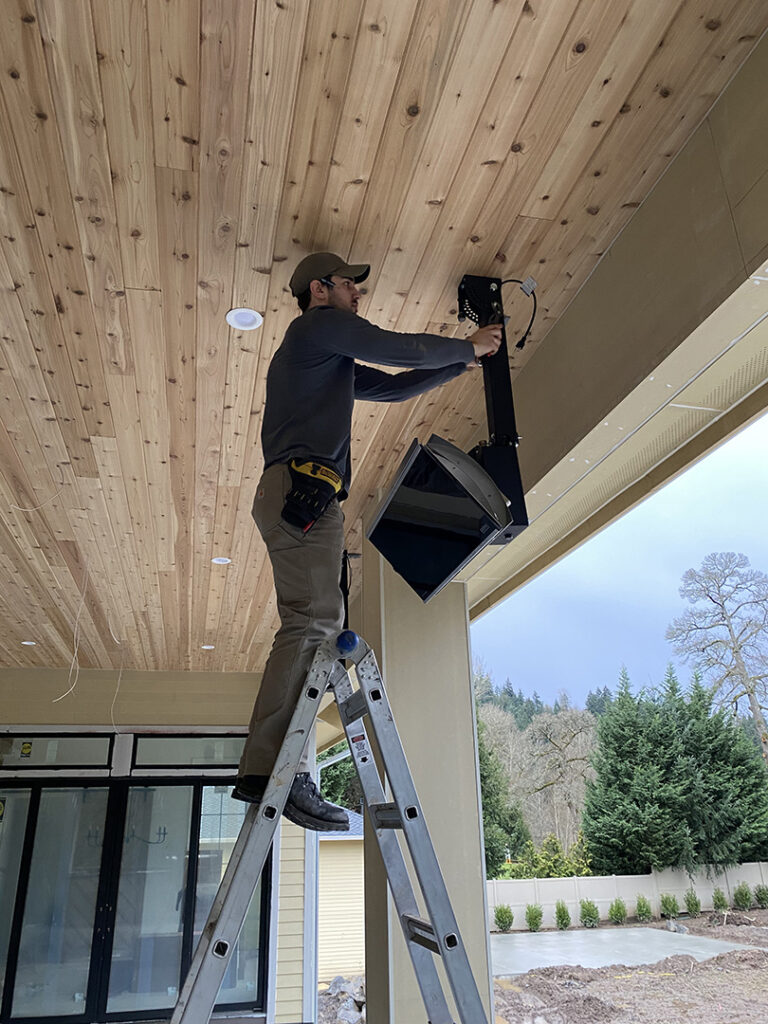
Routine maintenance involves several important steps, including cleaning components, checking airflow, and inspecting electrical connections. These small adjustments can significantly improve system performance. The Energy Star recommends regular HVAC servicing as a key factor in maintaining energy efficiency. By keeping your system in good condition, you can reduce energy waste and lower heating costs throughout the winter months.
Kova Heating & Cooling takes a comprehensive approach to maintenance by performing detailed inspections during every service visit. Their technicians evaluate system performance, clean internal components, and ensure that everything is operating efficiently. In many cases, homeowners notice immediate improvements in heating performance and energy consumption after scheduling maintenance. These improvements translate directly into lower monthly bills.
In addition to professional servicing, homeowners can take simple steps such as replacing air filters regularly. A clean filter allows air to flow freely through the system, reducing strain on the blower motor and improving efficiency. When combined with professional maintenance, these small actions play a major role in helping homeowners reduce heating bills during winter.
Optimize Your Thermostat and Daily Heating Habits
Thermostat settings play a critical role in determining how much energy your HVAC system uses. Many homeowners unknowingly waste energy by keeping their thermostat at a constant high temperature, even when it is not necessary. Adjusting thermostat settings based on daily routines can significantly reduce heating costs without sacrificing comfort. Lowering the temperature slightly when sleeping or away from home can lead to noticeable savings over time.
Programmable and smart thermostats offer a convenient way to manage heating schedules. These devices allow homeowners to automate temperature adjustments throughout the day, reducing unnecessary heating when the home is empty. The Environmental Protection Agency explains that proper thermostat management can improve efficiency and reduce energy usage. By taking advantage of these tools, homeowners can better control their heating expenses.
Kova Heating & Cooling often recommends smart thermostat upgrades as part of their efficiency-focused service approach. Their technicians help homeowners select and install devices that align with their lifestyle and heating needs. These upgrades not only improve convenience but also contribute to long-term savings by optimizing system performance.
Daily habits also play an important role in energy savings. Wearing warmer clothing indoors, using blankets, and allowing natural sunlight to heat living spaces during the day can reduce the need for constant heating. When combined with proper HVAC care, these simple changes help homeowners reduce heating bills during winter while maintaining comfort.
Seal Air Leaks and Improve Home Insulation
Even the most efficient HVAC system cannot perform effectively if heat is constantly escaping from the home. Air leaks around windows, doors, and ductwork allow warm air to escape, forcing the system to work harder to maintain indoor temperatures. This results in increased energy consumption and higher heating costs.
Sealing these leaks is one of the simplest and most cost-effective ways to improve efficiency. Weatherstripping, caulking, and proper insulation help retain heat and reduce the workload on the HVAC system. When warm air stays inside the home, the system does not need to run as frequently, which lowers energy usage.
Kova Heating & Cooling often identifies airflow issues during maintenance visits, helping homeowners’ pinpoint areas where heat loss is occurring. By addressing these issues, homeowners can significantly improve system efficiency and reduce heating costs. In many cases, simple sealing improvements can lead to noticeable savings within a single season.
Proper insulation also plays a critical role in maintaining indoor comfort. Insulated walls, attics, and floors help prevent heat loss, allowing the HVAC system to operate more efficiently. By combining insulation improvements with professional HVAC servicing, homeowners can create a more energy-efficient environment that supports lower heating bills.
Upgrade to Energy-Efficient Heating Systems
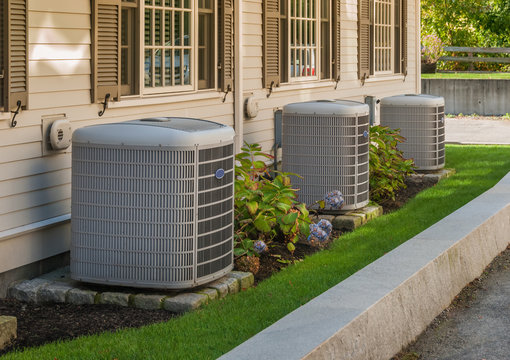
While maintenance and insulation improvements can significantly reduce heating costs, older HVAC systems may still struggle to operate efficiently. Many older units consume more energy than necessary due to outdated technology and worn components. As systems age, their efficiency naturally declines, causing them to work harder to produce the same level of heat. This increased workload not only raises energy bills but also accelerates wear and tear, leading to more frequent repairs. For homeowners with aging equipment, upgrading to a modern system can be one of the most effective ways to reduce heating bills during winter.
Modern heating systems are designed with energy efficiency in mind. Advances in technology have led to equipment that can deliver consistent heating while using significantly less energy. High-efficiency furnaces, heat pumps, and hybrid systems are capable of adjusting their output based on demand, reducing unnecessary energy consumption. These systems also provide more even temperature distribution, eliminating the hot and cold spots commonly associated with older equipment. As a result, homeowners can enjoy improved comfort while lowering their monthly energy costs.
Kova Heating & Cooling works closely with homeowners to determine whether an upgrade is the right solution for their specific situation. Their team evaluates factors such as home size, insulation levels, and heating needs to recommend systems that provide maximum efficiency. In many cases, homeowners who switch to energy-efficient equipment experience immediate savings on their energy bills. Additionally, newer systems often come with advanced features such as variable-speed motors and smart controls, further enhancing performance and efficiency.
Although upgrading a heating system requires an initial investment, the long-term savings often make it worthwhile. Reduced energy consumption, fewer repairs, and extended system lifespan all contribute to lower overall costs. When combined with proper maintenance and efficient home practices, a modern HVAC system can significantly reduce heating expenses year after year. For homeowners seeking a long-term solution, upgrading equipment is a powerful step toward achieving lower winter heating costs.
The Role of Preventative HVAC Care in Winter Savings
Preventative HVAC care plays a critical role in maintaining system efficiency and avoiding unnecessary expenses. Many homeowners only call for service when something goes wrong, but this reactive approach often leads to higher costs and unexpected breakdowns. Regular maintenance, on the other hand, ensures that systems remain in optimal condition throughout the winter season. By addressing small issues early, homeowners can avoid larger problems that would otherwise increase energy consumption and repair costs. This proactive approach is essential for anyone looking to reduce heating bills during winter.
During a preventative maintenance visit, HVAC technicians perform a detailed inspection of the entire system. This includes cleaning components, checking airflow, testing electrical connections, and ensuring that all parts are functioning properly. These adjustments may seem minor, but they have a significant impact on overall system performance. A well-maintained system runs more efficiently, uses less energy, and is less likely to experience unexpected failures. Over time, these benefits translate into lower heating costs and greater reliability.
Kova Heating & Cooling has built its service approach around preventative care, helping homeowners maintain efficient and dependable heating systems. Their technicians not only perform maintenance but also educate customers on how to care for their systems between visits. This includes advice on filter replacement, thermostat usage, and recognizing early warning signs of potential issues. By empowering homeowners with this knowledge, Kova Heating & Cooling helps prevent costly problems before they occur.
Preventative maintenance also extends the lifespan of HVAC systems, delaying the need for costly replacements. Systems that are regularly serviced experience less wear and tear, allowing them to operate efficiently for many years. This long-term benefit makes maintenance one of the most valuable investments homeowners can make. When combined with other energy-saving strategies, preventative care plays a key role in reducing heating expenses and maintaining comfort throughout the winter months.
Conclusion: Smart Heating Strategies for Long-Term Savings
Reducing heating bills during winter is not about sacrificing comfort—it is about making smarter decisions that improve efficiency and eliminate unnecessary energy waste. Many homeowners assume that high winter energy costs are unavoidable, but in reality, there are several practical steps that can significantly lower expenses. By understanding how heating systems operate and identifying areas where energy is being lost, homeowners can take control of their energy usage and achieve meaningful savings.
Simple changes such as adjusting thermostat settings, sealing air leaks, and scheduling regular maintenance can have a powerful impact on heating costs. These strategies work together to create a more efficient system that requires less energy to maintain comfortable indoor temperatures. Over time, these improvements not only reduce monthly bills but also protect the HVAC system from unnecessary strain and wear.
Kova Heating & Cooling plays an essential role in helping homeowners implement these strategies effectively. Through professional maintenance services, system upgrades, and personalized recommendations, their team provides solutions tailored to each home’s unique needs. Their commitment to quality service and customer education ensures that homeowners are equipped with the tools and knowledge needed to maintain efficient heating systems.
Ultimately, learning how to reduce heating bills during winter is about taking a proactive and informed approach. By combining professional HVAC services with practical home improvements, homeowners can enjoy a warm and comfortable living space without the burden of high energy costs. Investing in efficiency today leads to long-term savings, making it one of the most worthwhile decisions for any homeowner preparing for the colder months.