Introduction
HVAC energy bills often become a concern when homeowners notice a sudden spike in monthly utility costs without making any significant changes to their daily routines. One month, energy expenses seem perfectly normal, and the next, they increase dramatically. Many people assume utility providers have raised rates or that seasonal weather is solely responsible. While those factors can contribute, HVAC-related issues are frequently the hidden reason behind unexpected increases. Because heating and cooling systems account for a significant portion of household energy consumption, even minor performance problems can have a noticeable impact on monthly expenses.
The challenge is that HVAC inefficiencies rarely announce themselves with an obvious breakdown. A system may still heat and cool the home, causing homeowners to believe everything is functioning properly. Behind the scenes, however, restricted airflow, aging components, thermostat problems, or hidden duct leaks may be forcing the equipment to work much harder than necessary. As operating cycles become longer and mechanical strain increases, energy consumption rises. The result is higher utility bills without an immediately visible explanation.
At Kova Heating, one of the most common concerns homeowners report is a sudden increase in energy costs despite maintaining similar household habits. Through detailed system evaluations, technicians often discover underlying performance issues that have gradually developed over time. These problems frequently go unnoticed until homeowners compare utility statements and realize something has changed. Identifying the root cause early helps restore efficiency and prevent larger repair expenses later.
The connection between HVAC performance and household energy consumption is well documented. According to the U.S. Department of Energy, heating and cooling systems represent one of the largest energy expenses in most homes, making proper maintenance and efficiency improvements critical for controlling utility costs. Understanding the most common HVAC-related reasons behind rising energy bills can help homeowners make informed decisions and avoid unnecessary expenses.
Dirty Air Filters Restrict Airflow and Increase Energy Consumption
One of the simplest yet most common causes of rising utility costs is a neglected air filter. Filters are designed to capture dust, pollen, pet dander, and airborne debris before those particles circulate throughout the home. Over time, however, accumulated debris restricts airflow and creates resistance within the system. When airflow becomes restricted, the equipment must operate longer to distribute conditioned air effectively. This additional workload increases energy consumption and places unnecessary stress on internal components.
Many homeowners underestimate how quickly filters can become clogged. Households with pets, frequent indoor activity, nearby construction, or seasonal allergens often experience faster filter accumulation than expected. Even when a filter appears only slightly dirty, airflow efficiency may already be compromised. The system compensates by running longer cycles, which gradually increases utility costs month after month. Because this process develops slowly, homeowners often fail to connect higher energy bills with filter maintenance.
Kova Heating routinely checks filter conditions during maintenance appointments because airflow directly influences efficiency. Technicians assess whether the current filter type matches the home’s needs and recommend replacement schedules based on actual environmental conditions rather than generic timelines. This customized approach helps homeowners maintain optimal airflow while reducing unnecessary operating expenses. In many cases, replacing a severely clogged filter results in immediate performance improvements.
The Department of Energy notes that replacing dirty filters regularly can improve HVAC efficiency while reducing unnecessary energy consumption. This simple maintenance habit remains one of the easiest and most affordable ways to prevent unexpected increases in utility costs. Homeowners who consistently monitor filter condition often experience better comfort, cleaner indoor air, and more predictable monthly expenses.
Aging Equipment Gradually Loses Efficiency
Even the most reliable HVAC systems experience performance decline as they age. Heating and cooling equipment contains numerous mechanical and electrical components that endure years of daily operation. Motors, compressors, fans, and heat exchange surfaces gradually lose efficiency through normal wear. While these changes may not immediately affect comfort, they often increase energy consumption long before homeowners notice any obvious problems. The system continues functioning, but it requires more effort to achieve the same results.
Older equipment frequently operates with technology that was considered efficient at the time of installation but falls behind modern standards. Advancements in compressor design, blower technology, and system controls have significantly improved energy performance over the years. As a result, an aging system may consume considerably more energy than newer alternatives while delivering similar comfort levels. This difference becomes increasingly noticeable as utility rates fluctuate and equipment wear progresses.
Kova Heating often helps homeowners evaluate whether rising energy costs are related to equipment age. Rather than recommending immediate replacement based solely on installation date, technicians analyze operational performance, runtime behavior, airflow consistency, and overall efficiency. This approach provides homeowners with practical information about whether repairs, adjustments, or replacement offer the best long-term value. Making decisions based on measurable performance prevents unnecessary expenses and ensures resources are invested wisely.
Many homeowners are surprised to learn that a system can remain operational while quietly losing efficiency for years. Longer cycles, increased energy usage, and declining responsiveness frequently occur long before a complete breakdown. Understanding this gradual decline helps homeowners recognize when energy costs may be signaling deeper equipment issues rather than temporary seasonal fluctuations.
Leaking Ductwork Wastes Conditioned Air
Ductwork serves as the delivery pathway that distributes heated or cooled air throughout a home. When ducts develop leaks, disconnected sections, or damaged seals, conditioned air escapes before reaching living spaces. The HVAC system must then work harder to compensate for the lost airflow. This additional effort increases energy usage while reducing overall comfort. Many homeowners experience higher utility costs without realizing the issue originates within hidden ductwork.
Duct leakage often develops gradually due to age, vibration, construction settling, or environmental conditions. Because most duct systems are concealed within walls, attics, basements, or crawlspaces, these problems can remain unnoticed for extended periods. Homeowners may simply observe certain rooms becoming difficult to heat or cool while utility bills continue rising. Without professional inspection, identifying the source of these inefficiencies can be challenging.
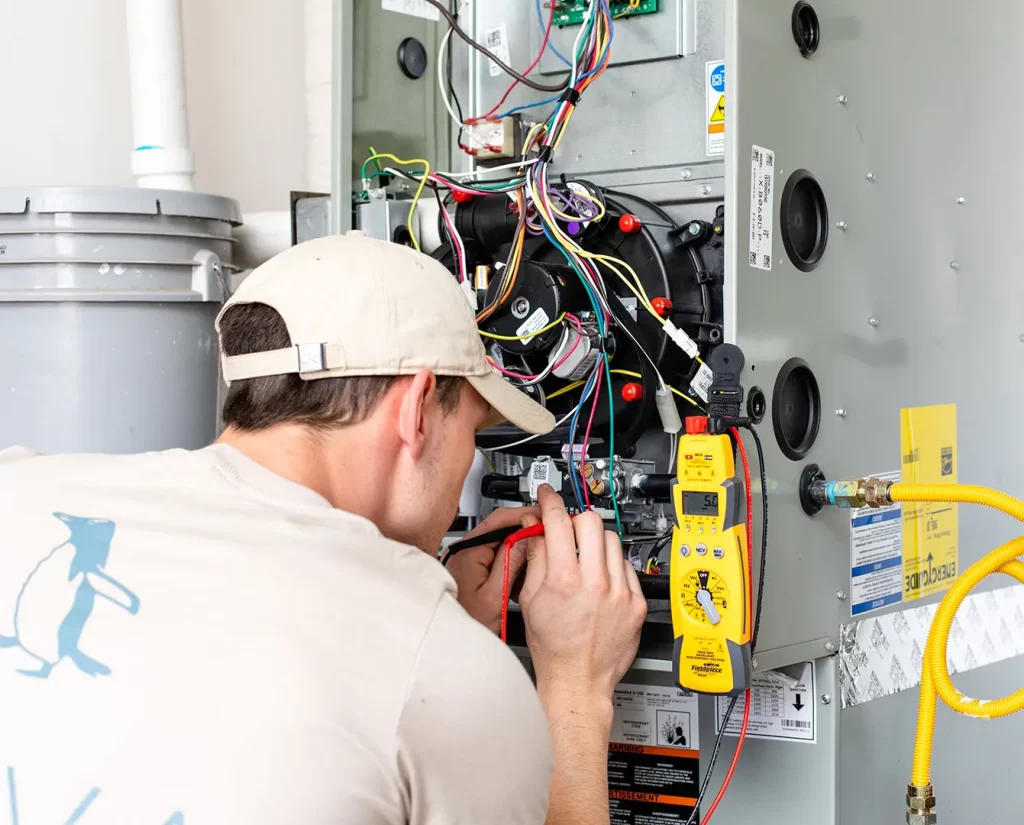
At Kova Heating, airflow testing and duct evaluations are important parts of diagnosing unexplained energy increases. Technicians measure air delivery performance, inspect duct integrity, and identify areas where conditioned air may be escaping. Sealing leaks and improving airflow distribution often produce noticeable improvements in both comfort and efficiency. In many cases, correcting ductwork issues prevents homeowners from unnecessarily replacing otherwise functional equipment.
Energy Star highlights the importance of proper airflow and distribution in maintaining efficient heating and cooling performance. Well-maintained duct systems help ensure that conditioned air reaches intended spaces while minimizing unnecessary energy waste. Homeowners who address duct leakage often experience immediate improvements in comfort consistency and operating costs.
Refrigerant Problems Force Cooling Systems to Work Harder
For air conditioning systems, refrigerant plays a crucial role in transferring heat from indoor spaces to the outdoors. When refrigerant levels become unbalanced due to leaks or system issues, cooling performance begins to suffer. The equipment may continue operating, but it takes significantly longer to reach desired temperatures. As runtime increases, energy consumption rises accordingly. Many homeowners first notice the problem through higher utility bills rather than comfort complaints.
Refrigerant issues are particularly deceptive because symptoms often develop gradually. Cooling performance may decline little by little over several months. Homeowners adjust thermostat settings lower, believing hotter weather is responsible, while the system continues consuming additional energy. Eventually, longer cycles become the norm, masking the underlying problem. By the time comfort noticeably declines, efficiency losses may already be substantial.
Kova Heating technicians carefully evaluate refrigerant levels during diagnostic and maintenance visits. Rather than simply adding refrigerant, they identify the underlying cause of imbalances and inspect the system for leaks or mechanical concerns. This approach helps restore proper cooling performance while preventing recurring issues. Addressing refrigerant problems early protects critical components and improves overall efficiency.
Ignoring refrigerant issues can place significant strain on compressors, which are among the most expensive HVAC components to replace. Early diagnosis and professional repairs help reduce operating costs while preserving long-term system reliability. Homeowners who respond promptly to cooling inefficiencies often avoid much larger repair expenses later.
Thermostat Problems Can Create Hidden Energy Waste
Thermostats serve as the communication center between homeowners and HVAC equipment. When these devices function properly, they help maintain comfortable temperatures efficiently. However, calibration issues, poor placement, outdated technology, or sensor malfunctions can cause the system to operate unnecessarily. Even small inaccuracies can lead to extended runtime and higher utility costs.
Location plays a surprisingly important role in thermostat performance. Devices installed near windows, kitchens, direct sunlight, or drafty areas may receive inaccurate temperature readings. The HVAC system responds to these false readings by running longer or cycling more frequently than needed. Over time, this unnecessary operation increases energy usage and accelerates equipment wear. Homeowners may assume comfort issues are caused by the HVAC system itself when the thermostat is actually responsible.
Kova Heating evaluates thermostat performance during system inspections to ensure accurate communication between equipment and indoor conditions. Technicians verify calibration, assess placement, and recommend upgrades when older controls limit efficiency. Modern programmable and smart thermostats often provide better temperature management while reducing unnecessary runtime. These improvements can contribute to meaningful energy savings over the course of a year.
The American Council for an Energy-Efficient Economy has highlighted how intelligent control strategies support reduced household energy consumption. Accurate temperature management allows heating and cooling systems to operate more efficiently while maintaining comfort. Addressing thermostat issues is often a simple but highly effective step toward lowering monthly utility expenses.

Lack of Preventive Maintenance Creates Compounding Problems
Routine maintenance is one of the most effective ways to control energy consumption, yet it remains one of the most frequently neglected aspects of homeownership. HVAC systems contain numerous interconnected components that depend on cleanliness, proper calibration, and balanced operation. When maintenance is postponed, small inefficiencies accumulate and gradually affect overall performance. Energy consumption often increases long before obvious mechanical failures occur.
Dust accumulation on coils, loose electrical connections, restricted airflow, worn components, and drainage issues all contribute to reduced efficiency. Individually, these problems may seem minor. Collectively, however, they create substantial performance losses that increase operating costs throughout the year. Homeowners frequently notice rising utility bills without realizing multiple small issues are working together to reduce efficiency.
Kova Heating emphasizes preventative care because it helps identify developing problems before they affect comfort or finances. Maintenance visits include inspections, cleaning, adjustments, and performance evaluations designed to keep systems operating efficiently. These proactive measures reduce strain on equipment while helping homeowners avoid emergency repairs. Consistent maintenance often pays for itself through improved efficiency and reduced operating costs.
Homeowners who invest in routine professional service generally experience more stable utility expenses, fewer breakdowns, and longer equipment lifespan. Preventive maintenance remains one of the most cost-effective strategies for controlling HVAC-related energy consumption.
Conclusion
A sudden increase in energy bills is often a warning sign that an HVAC system is no longer operating as efficiently as it should. While seasonal weather changes and utility rates play a role, hidden issues such as clogged filters, aging equipment, duct leakage, refrigerant problems, thermostat inaccuracies, and deferred maintenance frequently contribute to rising costs. These inefficiencies develop gradually, making them easy to overlook until utility statements reveal a noticeable difference.
Understanding the relationship between HVAC performance and energy consumption allows homeowners to take proactive steps before small problems become expensive repairs. Systems that receive regular attention tend to operate more efficiently, maintain consistent comfort, and consume less energy over time. Addressing performance concerns early often prevents both unnecessary utility expenses and major equipment failures.
At Kova Heating, diagnosing unexplained energy increases involves more than simply inspecting equipment. Technicians evaluate airflow, mechanical operation, energy usage patterns, system controls, and overall performance to identify the root causes of inefficiency. This comprehensive approach provides homeowners with practical solutions tailored to their specific situation. The goal is not only to restore comfort but also to improve long-term efficiency and reliability.
If your utility bills have increased unexpectedly and you suspect your HVAC system may be contributing, Kova Heating can help. A professional evaluation can uncover hidden inefficiencies, improve system performance, and restore confidence that your heating and cooling equipment is operating as effectively as possible.