
Knowing when to service your furnace and AC is one of the most important parts of maintaining a comfortable and energy-efficient home. Many homeowners wait until something stops working before scheduling professional HVAC maintenance, but by the time a breakdown occurs, the system has often been struggling for months behind the scenes. Heating and cooling equipment experiences continuous wear throughout the year as temperatures change and indoor comfort demands increase. Even when a system appears to be operating normally, internal components may already be accumulating dust, losing efficiency, or developing small issues that eventually lead to larger repairs. Preventive service helps identify these concerns early before they affect reliability, comfort, or monthly utility costs.
Most HVAC systems are designed to operate for many years, but longevity depends heavily on how consistently maintenance is performed. Furnaces and air conditioners contain moving mechanical parts, electrical connections, airflow systems, and temperature-sensitive components that require regular inspection and cleaning. Without routine attention, strain gradually increases inside the system, reducing efficiency and accelerating wear on important equipment. Homeowners often notice higher energy bills, uneven temperatures, or longer runtime cycles before realizing maintenance has been neglected. These early symptoms are usually signs that the system is no longer operating at peak performance.
At Kova Heating, preventative maintenance is treated as a critical part of long-term HVAC performance rather than a simple seasonal task. Their technicians evaluate heating and cooling systems carefully to identify hidden inefficiencies before they develop into expensive failures. During maintenance visits, Kova Heating inspects airflow, electrical stability, refrigerant pressure, burner operation, filtration, and ventilation balance to ensure every part of the system functions properly together. This proactive approach helps homeowners reduce repair costs while maintaining dependable comfort throughout changing seasons.
According to the U.S. Department of Energy, routine HVAC maintenance improves energy efficiency, lowers operating costs, and extends equipment lifespan significantly.
Why Regular HVAC Maintenance Matters More Than Most Homeowners Realize
Many homeowners underestimate how much strain HVAC systems experience throughout normal operation. Furnaces and air conditioners cycle on and off repeatedly every day while responding to changing indoor temperatures and outdoor weather conditions. During peak winter and summer seasons, equipment may operate for extended periods without much downtime, placing continuous pressure on motors, compressors, burners, and airflow systems. Over time, this constant operation gradually affects efficiency and mechanical stability. Without maintenance, even minor performance issues can slowly develop into larger operational problems.
Dust accumulation is one of the most common hidden causes of declining HVAC performance. Air filters capture airborne debris before it enters the system, but over time particles still collect on internal components such as evaporator coils, blower assemblies, and burners. This buildup restricts airflow and reduces heat transfer efficiency, forcing the equipment to work harder to maintain comfort. Increased strain not only raises energy consumption but also accelerates wear on important mechanical parts. Homeowners may not immediately notice these changes because they happen gradually over several months or years.
Kova Heating regularly explains to homeowners that maintenance is not only about preventing breakdowns. Proper service also improves indoor comfort, airflow consistency, humidity control, and air quality throughout the home. Systems operating under restricted airflow often create uneven temperatures between rooms, excessive runtime cycles, and noisy operation. During professional inspections, Kova Heating technicians identify these hidden inefficiencies and restore proper balance before they become major issues. This level of preventative care helps maintain stable comfort while protecting long-term equipment performance.
Routine servicing also reduces the likelihood of emergency repairs during extreme weather conditions when HVAC systems are under the highest demand. Furnaces tend to fail during freezing temperatures, while air conditioners often break down during heat waves because that is when the equipment experiences maximum operational stress. Preventative inspections help identify weak electrical components, refrigerant issues, ignition problems, and airflow restrictions before seasonal demand reaches its peak. This allows homeowners to address smaller concerns early instead of facing urgent repairs during uncomfortable weather conditions.
How Often Should Furnaces Be Professionally Serviced?
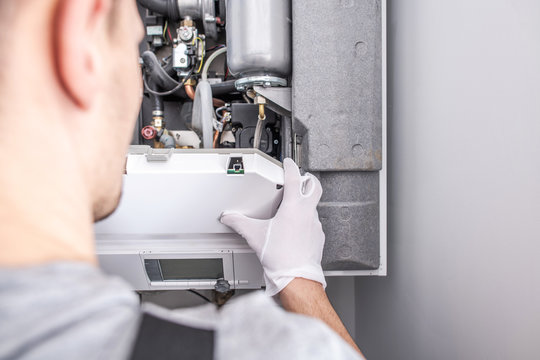
Furnaces should generally be professionally serviced at least once every year, ideally before the colder season begins. Annual maintenance ensures that burners, ignition systems, heat exchangers, safety controls, and airflow components are operating correctly before winter demand increases. Waiting until freezing temperatures arrive often means small problems go unnoticed until the system is forced into heavy operation. Preventive service helps identify wear early while reducing the risk of unexpected heating failures during colder months.
One of the most important parts of furnace maintenance involves inspecting the heat exchanger. This component separates combustion gases from indoor airflow and plays a critical role in safe heating operation. Over time, stress caused by repeated heating and cooling cycles can weaken the exchanger and create structural damage. Small cracks may not immediately affect heating performance, but they can eventually create serious safety concerns if ignored. Professional inspections help ensure the system continues operating safely and efficiently.
Kova Heating technicians carefully inspect furnace airflow during maintenance visits because restricted circulation often causes hidden heating inefficiencies. Dirty filters, blocked vents, or weakened blower motors can reduce airflow enough to overheat internal components. This forces the furnace to work harder than necessary and may shorten equipment lifespan significantly. During service appointments, Kova Heating evaluates airflow balance, burner efficiency, ignition performance, and ventilation pressure to ensure the entire system operates reliably. This thorough process helps homeowners maintain dependable heating performance throughout the winter season.
Homeowners with older furnaces or households that rely heavily on heating during colder months may benefit from more frequent inspections. Systems operating under heavy seasonal demand experience greater wear over time and often require closer monitoring. Homes with pets, indoor air quality concerns, or high dust levels may also need additional filter replacement and airflow evaluation throughout the year. Regular maintenance schedules should therefore reflect real household conditions rather than relying solely on generic timelines.
How Often Should Air Conditioners Be Serviced?
Air conditioning systems should also be professionally serviced at least once annually, preferably before warmer temperatures begin increasing cooling demand. Spring maintenance allows technicians to inspect refrigerant levels, electrical components, airflow systems, evaporator coils, and outdoor condenser performance before summer heat places additional stress on the equipment. Waiting until temperatures rise significantly often increases the risk of breakdowns because the system may already be operating inefficiently without obvious warning signs.
Cooling systems rely heavily on proper airflow and heat transfer efficiency to maintain stable indoor temperatures. Dust buildup on coils, clogged filters, or blocked outdoor units can significantly reduce cooling performance over time. When airflow becomes restricted, the system must operate longer cycles to achieve the same comfort levels, increasing energy consumption and placing additional strain on internal components. Many homeowners first notice these issues through rising utility bills or inconsistent indoor temperatures. Professional servicing helps correct these inefficiencies before they become larger operational problems.
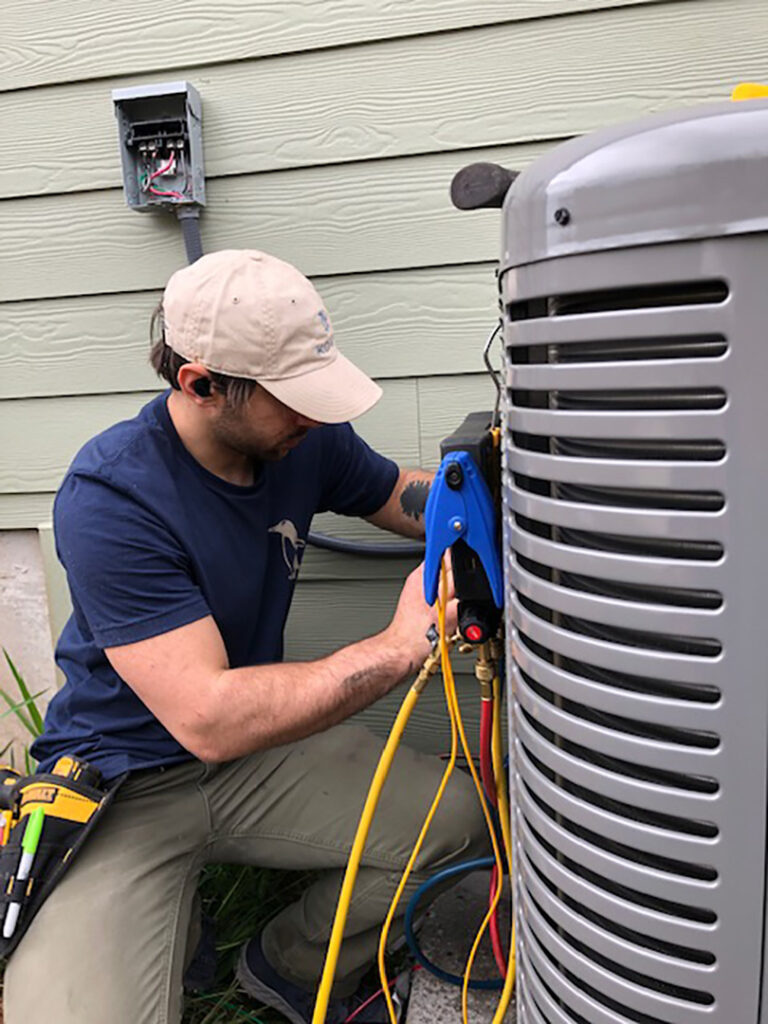
At Kova Heating, technicians evaluate the entire cooling cycle during maintenance visits rather than focusing on individual components alone. Refrigerant pressure, compressor operation, coil condition, airflow balance, and thermostat communication are all carefully inspected to ensure proper cooling performance. This complete-system approach allows technicians to identify hidden inefficiencies that homeowners may not notice themselves. Small refrigerant leaks, weak capacitors, or restricted airflow conditions can often be corrected early before major repairs become necessary. Preventative service therefore protects both efficiency and long-term system reliability.
Another important reason for annual AC maintenance involves humidity control. Cooling systems remove excess moisture from indoor air while lowering temperatures, which helps maintain overall comfort. When evaporator coils become dirty or airflow becomes imbalanced, humidity removal often declines even if the system still appears to cool adequately. This can leave indoor spaces feeling damp or uncomfortable despite lower thermostat settings. Proper maintenance helps preserve both temperature control and moisture management throughout the summer season.
The Energy Star recommends regular professional HVAC maintenance to improve efficiency and reduce unnecessary energy consumption.
Warning Signs That Your HVAC System Needs Immediate Attention
Even homeowners who schedule regular maintenance should still pay attention to early warning signs that indicate a furnace or air conditioner may need additional service. One of the most common indicators is a sudden increase in utility bills without a clear explanation. When HVAC systems lose efficiency, they require more energy to maintain the same comfort levels, often causing noticeable changes in monthly operating costs. Longer runtime cycles are another sign that the equipment may be struggling internally. Systems that run continuously without reaching thermostat settings often have airflow restrictions, refrigerant issues, or mechanical inefficiencies.
Unusual sounds are another important warning sign that should never be ignored. Grinding, rattling, buzzing, or squealing noises often indicate worn mechanical parts, loose connections, or motor strain. While some sounds may initially appear minor, they frequently worsen over time if left unresolved. Ignoring these early symptoms can allow additional damage to spread throughout the system. Prompt inspection helps prevent smaller mechanical concerns from becoming major failures later.
Kova Heating regularly responds to emergency service calls that began as small warning signs homeowners delayed addressing. In many cases, early maintenance could have prevented the larger repair entirely. Their technicians encourage homeowners to schedule inspections whenever they notice airflow changes, inconsistent temperatures, strange noises, or rising energy costs. Addressing problems early typically reduces repair expenses while improving overall reliability and comfort stability.
Indoor comfort inconsistencies also indicate that professional service may be necessary sooner than expected. Certain rooms may feel warmer or cooler than others, airflow may weaken noticeably, or humidity levels may become uncomfortable indoors. These changes often signal ventilation imbalance, airflow restriction, or declining system efficiency. Professional inspections help identify the root cause quickly before comfort problems continue worsening throughout the home.
The Long-Term Benefits of Preventative HVAC Maintenance
Preventative HVAC maintenance provides far more than short-term system protection. One of the biggest long-term advantages is improved equipment lifespan. Furnaces and air conditioners that receive regular servicing generally operate more efficiently and experience less mechanical strain over time. Cleaner airflow pathways, stable electrical performance, and balanced operation reduce wear on important components such as compressors, motors, and burners. This allows equipment to remain reliable for longer periods before replacement becomes necessary.
Another major advantage involves lower operating costs throughout the year. HVAC systems operating efficiently consume less energy while maintaining more stable comfort conditions. Homeowners often notice improved airflow, faster temperature response, and more consistent indoor comfort after professional maintenance visits. These efficiency improvements help offset maintenance costs by reducing monthly utility expenses over time. Preventative service therefore becomes a financial investment rather than simply another household expense.
Research from the American Council for an Energy-Efficient Economy also explains that regular HVAC maintenance plays a major role in reducing residential energy waste and improving long-term system efficiency. Homes with properly maintained heating and cooling equipment typically experience lower operating costs, improved airflow consistency, and reduced strain on mechanical components. Preventative servicing also supports better environmental performance by minimizing unnecessary energy consumption throughout the year. Homeowners interested in improving overall household efficiency can learn more through the American Council for an Energy-Efficient Economy.
At Kova Heating, maintenance programs are designed to provide homeowners with long-term reliability and peace of mind. Their technicians monitor system performance trends over time so potential problems can be addressed before they escalate. This proactive approach reduces emergency repair situations while helping homeowners avoid sudden equipment failures during extreme weather conditions. Kova Heating also educates homeowners during service visits so they better understand how airflow, filtration, and seasonal care influence overall HVAC performance.
Preventative maintenance also improves indoor air quality and humidity management. Clean airflow systems reduce airborne dust, allergens, and debris circulating throughout the home. Proper humidity control supports healthier indoor conditions while reducing discomfort caused by excessive moisture or dry air. HVAC systems therefore contribute not only to temperature control but also to overall indoor environmental quality. Consistent maintenance helps preserve all of these benefits simultaneously.
Conclusion
Understanding when to service your furnace and AC is essential for maintaining long-term comfort, efficiency, and system reliability. HVAC equipment operates continuously throughout the year under changing seasonal demands, which gradually affects airflow, electrical stability, and overall performance. Without regular maintenance, small inefficiencies often develop into expensive repairs or premature equipment failure. Preventative service helps identify these concerns early while protecting both comfort and energy efficiency.
Kova Heating provides homeowners with detailed HVAC maintenance designed to improve reliability and reduce long-term operating costs. Their technicians evaluate entire systems carefully, focusing on airflow balance, mechanical performance, electrical safety, and overall efficiency. This thorough approach helps homeowners avoid unexpected breakdowns while maintaining consistent indoor comfort throughout every season.
Annual furnace and AC servicing remains one of the most effective ways to extend equipment lifespan while improving overall HVAC performance. Systems that receive consistent professional care operate more efficiently, experience fewer repairs, and maintain more balanced airflow throughout the home. Homeowners who invest in preventative maintenance often save significantly more over time by avoiding emergency failures and unnecessary energy waste.
With professional support from Kova Heating, homeowners can confidently maintain their HVAC systems, improve indoor comfort, and protect their investment through every season of the year.