
Introduction
Finding the best temperature settings for comfort and energy savings is one of the simplest yet most overlooked ways homeowners can improve indoor comfort while reducing monthly utility costs. Many people adjust their thermostat based on habit rather than efficiency, without realizing that small temperature changes can significantly affect energy consumption over time. Heating and cooling systems are responsible for a large portion of household energy use, which means even a difference of one or two degrees can influence overall performance. The challenge is balancing comfort with efficiency in a way that does not place unnecessary strain on HVAC equipment.
Indoor temperature preferences vary from household to household, but HVAC systems operate most efficiently when they maintain consistent, moderate settings rather than frequent adjustments. Constantly raising or lowering the thermostat forces the system to work harder, increasing wear on components such as compressors, motors, and airflow systems. Over time, this behavior can reduce system lifespan and increase repair frequency. Stability is often more efficient than constant correction, especially during extreme weather conditions when equipment is already under heavy demand.
At Kova Heating, technicians often explain that thermostat settings are not just about comfort—they directly influence system efficiency, airflow balance, and long-term performance. Many homeowners are surprised to learn how much energy is wasted due to inefficient temperature habits rather than mechanical failure. During maintenance visits, Kova Heating evaluates how systems respond to thermostat settings and identifies whether inefficiencies are caused by equipment issues or usage patterns. This helps homeowners make smarter decisions about daily temperature control.
According to the U.S. Department of Energy, adjusting thermostat settings strategically can significantly reduce heating and cooling costs without sacrificing comfort.
Why Temperature Settings Have a Bigger Impact Than Most Homeowners Realize
Temperature settings play a much larger role in HVAC performance than most homeowners initially assume. Heating and cooling systems are designed to operate most efficiently within specific temperature ranges, and when settings fluctuate frequently, the system must constantly adjust its output. This continuous adjustment increases energy consumption and places added strain on mechanical components. Over time, this can lead to reduced efficiency and higher maintenance requirements. Many households unknowingly create unnecessary system stress simply by adjusting the thermostat too often.
Another important factor is how HVAC systems respond to extreme temperature differences between indoor and outdoor environments. When the thermostat is set too far from the outdoor temperature, the system must run longer cycles to reach the desired comfort level. These extended cycles increase wear on compressors and motors while also raising monthly energy costs. Maintaining moderate temperature settings helps reduce this workload and allows the system to operate more steadily throughout the day. Consistency often delivers better efficiency than aggressive temperature changes.
Kova Heating frequently sees cases where inefficient thermostat behavior is the root cause of higher energy bills rather than mechanical malfunction. During system evaluations, technicians analyze temperature patterns, runtime cycles, and airflow performance to determine how effectively the system is responding to user settings. In many cases, small adjustments to thermostat habits can lead to noticeable improvements in comfort and energy savings. This highlights how user behavior and system performance are closely connected.
Homes with smart thermostats often achieve better efficiency because these devices help regulate temperature automatically based on schedules and occupancy patterns. However, even advanced systems require proper setup and calibration to perform effectively. Without correct configuration, smart features may not deliver their full energy-saving potential.
Recommended Temperature Settings for Heating Seasons
During colder months, maintaining stable heating settings is essential for both comfort and efficiency. Most HVAC systems perform well when indoor temperatures are kept within a moderate range rather than constantly adjusted throughout the day. Setting the thermostat too high forces the furnace to run longer cycles, increasing energy consumption and placing additional strain on heating components. On the other hand, excessively low settings can cause discomfort and lead to frequent manual adjustments that disrupt system balance.
A common approach is to use slightly lower temperatures during sleeping hours or when the home is unoccupied. This allows the heating system to operate less frequently without sacrificing comfort when it is needed most. Gradual adjustments are more efficient than sudden changes because they allow the system to stabilize rather than constantly ramping up and down. Over time, these small adjustments can contribute to meaningful energy savings throughout the heating season.
At Kova Heating, technicians often recommend evaluating how long the furnace runs during each cycle when determining ideal heating settings. Systems that run excessively may indicate airflow restrictions, thermostat calibration issues, or aging components. During service visits, Kova Heating checks burner efficiency, airflow performance, and heat distribution to ensure the system responds properly to temperature settings. This ensures homeowners are not compensating for hidden mechanical inefficiencies by simply adjusting the thermostat.
Proper insulation also plays a significant role in heating efficiency. Homes with poor insulation lose heat more quickly, forcing HVAC systems to operate longer and more frequently. Improving insulation and sealing air leaks can significantly enhance the effectiveness of recommended temperature settings.
Recommended Temperature Settings for Cooling Seasons
Cooling systems operate most efficiently when indoor temperatures are kept within a consistent and moderate range during warm weather. Setting the thermostat too low does not cool the home faster but instead forces the air conditioner to run longer cycles, increasing energy usage and system wear. Many homeowners mistakenly believe lower temperatures provide quicker relief, but HVAC systems are designed to cool gradually rather than instantaneously.
Maintaining steady cooling settings helps reduce strain on the compressor and improves humidity control inside the home. Air conditioners not only lower temperature but also remove moisture from indoor air, which is essential for overall comfort. When systems are overworked due to extremely low thermostat settings, humidity control may become less effective, leading to a damp or uncomfortable indoor environment. Balanced settings help maintain both temperature and moisture stability.
Kova Heating regularly advises homeowners to evaluate cooling performance during peak summer conditions to ensure the system is operating efficiently. Technicians inspect refrigerant levels, airflow balance, and coil condition to confirm that cooling output aligns with thermostat settings. If a system struggles to maintain consistent temperatures, the issue may be mechanical rather than behavioral. Identifying this early helps prevent unnecessary energy waste and potential equipment damage.
Ceiling fans and ventilation strategies can also support cooling efficiency by improving air circulation throughout the home. When used alongside properly calibrated thermostat settings, these methods help distribute cooled air more evenly and reduce reliance on the HVAC system.

How Smart Thermostats Improve Energy Efficiency
Smart thermostats have become one of the most effective tools for improving HVAC efficiency in modern homes. These devices allow homeowners to automate temperature control based on daily routines, occupancy patterns, and seasonal changes. Instead of manually adjusting settings throughout the day, smart thermostats optimize performance automatically, reducing unnecessary system runtime. This helps maintain consistent comfort while minimizing energy waste.
One of the most valuable features of smart thermostats is their ability to learn household behavior over time. By analyzing when occupants are home, sleeping, or away, the system adjusts temperatures accordingly to reduce energy usage during low-demand periods. This prevents the HVAC system from running unnecessarily while still ensuring comfort when it is needed. Over time, this learning capability can significantly reduce monthly energy costs.
At Kova Heating, technicians often assist homeowners with smart thermostat installation and configuration to ensure proper integration with existing HVAC systems. Correct setup is essential because improper calibration can lead to inefficient cycling or uneven temperature distribution. Kova Heating ensures that smart systems communicate effectively with heating and cooling equipment so that energy-saving features function as intended. This helps homeowners get the most value from their investment.
Homeowners researching energy-efficient heating and cooling strategies can also explore guidance from Energy Star, which provides recommendations on HVAC performance, efficiency ratings, and temperature management practices that support lower energy consumption throughout the year:
Common Mistakes That Increase Energy Bills
One of the most common mistakes homeowners make is setting the thermostat too high in winter or too low in summer, assuming it will heat or cool the home faster. HVAC systems do not work that way; instead, extreme settings only increase runtime and energy consumption. This misunderstanding often leads to unnecessary utility expenses without improving comfort. Small, gradual adjustments are far more efficient than extreme changes.
Another frequent issue involves frequent thermostat adjustments throughout the day. Constantly changing temperature settings forces the HVAC system to restart cycles repeatedly, which reduces efficiency and increases wear on mechanical components. This behavior can also create uneven temperature distribution throughout the home. Stability is key to maintaining efficient operation and consistent comfort.
Kova Heating often identifies thermostat misuse during routine inspections and explains how simple behavior changes can improve system performance significantly. In many cases, homeowners are surprised to learn that their HVAC system is functioning correctly, but inefficient usage patterns are driving up energy costs. Education plays an important role in improving long-term efficiency and reducing unnecessary service calls.
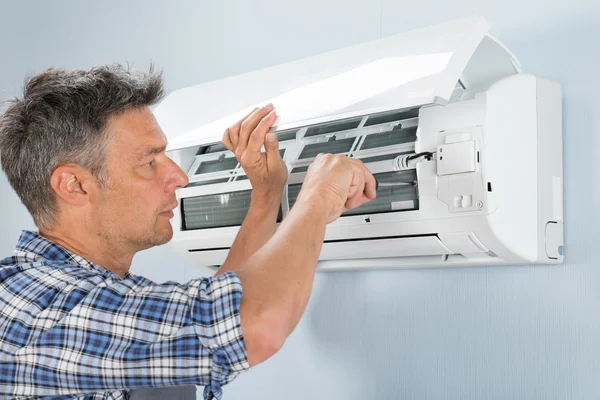
Poor airflow management is another factor that contributes to higher energy consumption. Blocked vents, dirty filters, and restricted ductwork can force HVAC systems to work harder than necessary. Regular maintenance helps ensure that airflow remains balanced and efficient throughout the home.
Long-Term Benefits of Proper Temperature Management
Maintaining the best temperature settings for comfort and energy savings provides long-term benefits that extend beyond monthly utility reductions. One of the most important advantages is improved HVAC system longevity. When systems operate under stable conditions rather than extreme fluctuations, internal components experience less stress and wear. This helps extend the lifespan of compressors, motors, and airflow systems.
Another benefit is improved indoor comfort consistency. Proper temperature management reduces sudden fluctuations between hot and cold conditions, creating a more stable living environment. This is especially important in homes with multiple occupants who may have different comfort preferences. Balanced settings help maintain harmony without overworking the HVAC system.
Kova Heating emphasizes that long-term efficiency is achieved through a combination of proper equipment maintenance and smart usage habits. Their technicians help homeowners understand how thermostat behavior influences system performance over time. By combining professional maintenance with optimized temperature settings, homeowners can achieve both comfort and cost savings throughout the year.
Research from the American Council for an Energy-Efficient Economy highlights how energy-conscious HVAC operation, combined with proper maintenance and equipment optimization, can contribute to substantial long-term reductions in household energy use. Their findings reinforce the importance of smart thermostat management and efficient heating and cooling practices.
Conclusion
Understanding the best temperature settings for comfort and energy savings is essential for maintaining an efficient, comfortable, and reliable home environment. HVAC systems perform best when temperature settings remain stable, moderate, and aligned with seasonal conditions. Constant adjustments or extreme settings often lead to higher energy costs, increased system wear, and reduced comfort quality over time.
Kova Heating helps homeowners optimize thermostat usage through professional guidance, system evaluation, and smart technology integration. Their expertise ensures that HVAC systems operate efficiently while maintaining consistent indoor comfort throughout the year. By combining proper maintenance with smart temperature habits, homeowners can significantly improve both performance and energy savings.
Small changes in daily thermostat behavior can lead to long-term improvements in efficiency, system lifespan, and overall comfort. When paired with professional HVAC care, these adjustments help create a more balanced and cost-effective home environment.
With support from Kova Heating, homeowners can confidently manage indoor temperatures while reducing energy waste and maintaining reliable comfort in every season.