
Should you replace your furnace and AC at the same time? The answer depends on age, compatibility, budget, comfort problems, and whether replacing only one component creates a mismatched system. For some homeowners, replacing both is the smartest long-term move. For others, replacing only the failing component is reasonable.
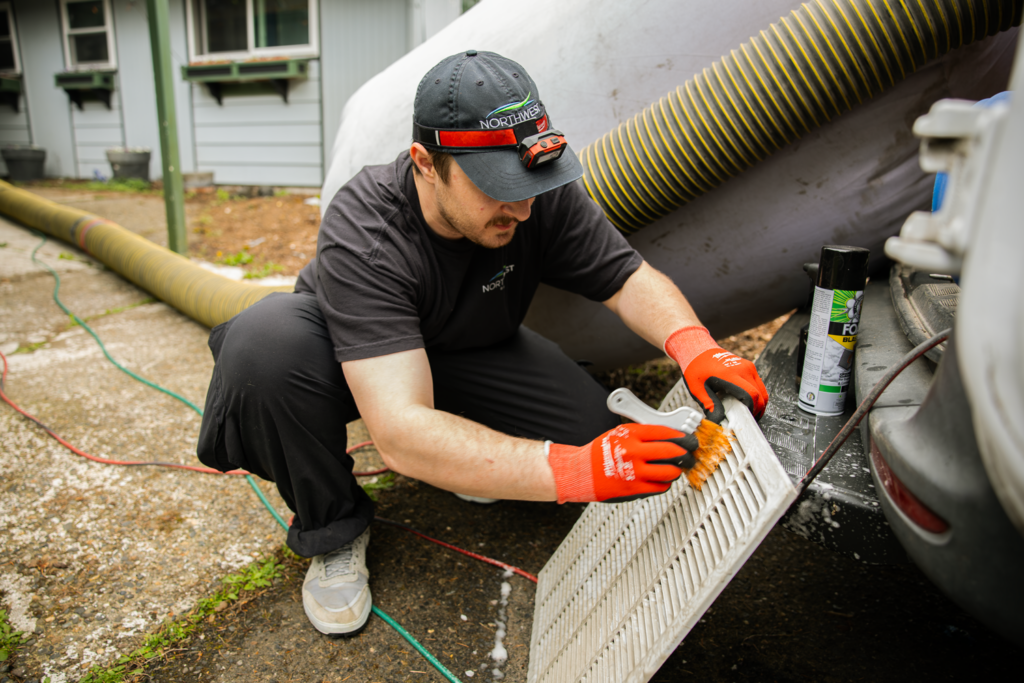
Kova project photo: equipment ready for a home comfort upgrade.
Quick Answer: Replace Both When the System Should Be Treated as One
A furnace and AC often share indoor airflow, ductwork, controls, and installation space. If both systems are older, inefficient, or mismatched, replacing them together can create a better designed system. If one component is much newer and compatible, replacing only the failing piece may be the better financial decision.
The best recommendation should explain the tradeoff. A homeowner should understand what they gain by replacing both and what risk they take by replacing only one.
Why This Topic Matters for Homeowners
HVAC decisions are often made under pressure. The system stops working, a room becomes uncomfortable, or a repair quote arrives when the homeowner was not planning for a major expense. Educational content helps homeowners slow the decision down and compare options based on comfort, safety, efficiency, and long-term value. The best HVAC content should answer the question the homeowner searched, but it should also help them understand what to ask before they approve work.
For Kova Heating & Cooling, the purpose of this guide is to give homeowners a clearer starting point before they request an estimate. The right HVAC solution should fit the home, the budget, and the way the family lives day to day. A homeowner who understands the basics is more likely to choose a system that solves the real comfort issue instead of only chasing the lowest number or the fastest temporary fix.
How Furnaces and AC Systems Work Together
In many homes, the air conditioner relies on the furnace blower to move cooled air through the ductwork. That means the furnace is still part of cooling performance even in the summer. If the blower is weak, inefficient, or not compatible with the new AC, the new outdoor unit may not perform as well as expected.
The indoor evaporator coil also matters. It must match the outdoor AC or heat pump properly. Poor matching can affect efficiency, comfort, and reliability. A full system replacement gives the installer the chance to design the heating and cooling equipment together instead of adapting new equipment to older components.
When Replacing Both Makes Sense
Replacing both usually makes sense when the furnace and AC are close in age, both are past their prime, the system has recurring issues, or the homeowner wants a major comfort and efficiency upgrade. It may also make sense when the existing indoor coil, blower, or controls are not a good match for modern equipment.
Kova can help compare both sides of the system through its furnace replacement services and air conditioning installation services.
There can also be labor efficiency. If the crew is already replacing indoor components, updating the furnace and cooling system together may reduce duplicated work later.
- Both systems are more than 12 to 15 years old.
- The furnace blower is not delivering strong airflow.
- The AC needs a major repair and the furnace is also aging.
- You want better efficiency, quieter operation, or improved comfort.
- You want to avoid paying for overlapping labor twice.
- You are considering a heat pump or dual-fuel upgrade.
When Replacing Only One Component Makes Sense
Replacing only the furnace or only the AC can make sense when the other component is newer, compatible, efficient, and under warranty. For example, if the AC was replaced recently and the furnace is now failing, a furnace-only replacement may be a reasonable option. The same can be true when an older AC fails but the furnace and blower are still in good shape.
The important part is compatibility. A homeowner should ask whether the new equipment will match the existing equipment and whether any performance limitations should be expected.
Cost, Financing, and Timing Considerations
A full system replacement is a larger project, but it may be easier to plan than replacing one component now and another soon after. Some homeowners prefer to handle everything at once for warranty alignment, financing simplicity, and peace of mind. Others prefer a phased approach if budget is the primary concern.
For a faster starting point, use Kova’s free instant online pricing tool to get a clearer idea of what furnace and AC replacement may look like for your home before scheduling a full estimate.
Kova also offers financing options that may help homeowners plan a larger comfort upgrade without delaying until a breakdown happens.
Do Heat Pumps Change the Decision?
Yes, heat pumps can change the conversation. A heat pump can provide cooling in summer and heating during much of the year. In some homes, a heat pump paired with a furnace creates a dual-fuel system that balances efficiency and reliable cold-weather heat. If you are already replacing major equipment, it may be worth comparing a traditional furnace and AC setup against a heat pump or dual-fuel option.
Kova’s heat pump services can help homeowners understand whether that approach fits the home and comfort goals.
For homeowners in Portland, Vancouver, Beaverton, Tigard, Lake Oswego, West Linn, Camas, and the surrounding metro area, replacing furnace and AC together is rarely just a comfort question. Homes across the region can be older, remodeled in stages, affected by tree shade, built with crawlspaces or attics, and exposed to a climate that swings from damp winter weather to increasingly noticeable summer heat. That is why a smart HVAC decision should account for the home, the ductwork, the electrical setup, the insulation, and the way the family actually uses the space. When Kova Heating & Cooling talks with a homeowner about replace furnace and AC at the same time, the goal is not to push a one-size-fits-all answer. The goal is to help the homeowner understand the real options, the tradeoffs, and the practical next step.
Homeowner Planning Checklist
Before making a final HVAC decision, write down the rooms that feel uncomfortable, the age of the existing system, recent repair history, energy bill concerns, airflow complaints, and any upcoming home changes. This helps the technician understand the real problem instead of focusing only on the equipment. The more specific the homeowner can be, the easier it is to recommend a system that solves the right issue.
Photos of the indoor equipment, outdoor unit, thermostat, electrical panel, and problem rooms can also help start the conversation. They will not replace an in-home evaluation, but they can help the team prepare and explain likely options.
- Note which rooms are too hot or too cold.
- Check the age of current equipment if available.
- List recent repairs or recurring problems.
- Think about whether the goal is repair, replacement, efficiency, or comfort.
- Ask for a clear explanation of what is included in the estimate.
Mistakes to Avoid Before You Decide
The most common mistake is treating HVAC as a commodity. Two estimates may both say AC, heat pump, furnace, or mini split, but the actual scope can be very different. One estimate may include electrical coordination, proper equipment matching, airflow evaluation, startup testing, and cleanup. Another may leave important items vague. Homeowners should ask what is included, what is excluded, and what could change once the project starts.
Another mistake is waiting until the system fully fails. Emergency replacement usually creates more stress and fewer choices. Planning ahead gives the homeowner time to compare options, understand financing or specials, and choose equipment based on comfort goals rather than panic. Even when a repair is the right move, a clear replacement plan can help the homeowner avoid being surprised later.
Finally, do not ignore the home itself. Insulation, ductwork, airflow, thermostat location, electrical capacity, and room layout all influence results. A quality HVAC recommendation should explain how the proposed system will interact with those details. That is where a local company familiar with Portland and Vancouver homes can provide real value. Taking a little extra time to diagnose the home up front can prevent years of weak airflow, hot rooms, noisy equipment, short cycling, high utility bills, and avoidable service calls.
- Do not compare estimates without comparing scope.
- Do not assume bigger equipment automatically means better comfort.
- Do not ignore ductwork, airflow, electrical, or control issues.
- Do not wait for a full breakdown if the system is already showing signs of decline.
- Do not choose a system before the home and comfort goals are evaluated.
Final Takeaway
You do not always need to replace your furnace and AC at the same time, but it is worth considering when the systems are aging, mismatched, or tied to the same comfort problems. Kova Heating & Cooling can evaluate both systems and help you choose the option that makes the most sense for comfort, budget, and long-term reliability.
Suggested Call to Action
Want a fast starting point for your project? Use Kova’s free instant online pricing tool or contact the team to schedule a professional estimate.
Internal Links Used / Recommended
- Kova Home
- AC Installation & Replacement
- AC Repair
- Heat Pump Services
- Furnace Replacement & Installation