
Introduction
HVAC and indoor air quality are more closely connected than many homeowners realize. While most people think about heating and cooling systems in terms of temperature control, these systems also play a major role in determining the cleanliness, freshness, and overall health of the air circulating throughout a home. Every day, air moves through filters, ductwork, vents, and mechanical components before reaching living spaces. The condition of these elements directly affects what residents breathe indoors. A properly functioning system can help create a healthier environment, while neglected equipment may contribute to dust accumulation, airborne contaminants, and reduced comfort.
Indoor air quality has become an increasingly important topic because modern homes are designed to be more energy efficient and tightly sealed than ever before. While this improves energy conservation, it can also reduce natural ventilation. As a result, pollutants can become trapped indoors for extended periods. Dust, pet dander, pollen, mold spores, and other particles may continuously circulate if the HVAC system is not maintained correctly. This is why understanding the relationship between heating, cooling, and air quality is essential for homeowners who want a healthier indoor environment.
At Kova Heating, indoor comfort is viewed as more than simply maintaining the desired temperature. Their approach focuses on creating balanced living spaces where air circulation, filtration, humidity management, and equipment performance work together. During service visits, technicians evaluate how the entire system contributes to indoor conditions rather than focusing solely on heating or cooling output. This comprehensive perspective helps identify hidden issues that may be affecting both comfort and air cleanliness.
The importance of indoor air quality is recognized by the Environmental Protection Agency, which notes that indoor pollutant concentrations can sometimes exceed outdoor levels depending on ventilation and air circulation conditions. Homeowners interested in learning more about indoor environmental health can review the EPA’s guidance on indoor air quality.
Understanding Indoor Air Quality and Why It Matters
Indoor air quality refers to the condition of the air inside a building and how it affects the health and comfort of occupants. Many factors influence air quality, including ventilation, humidity levels, pollutant concentrations, and airflow patterns. Because people spend a large portion of their time indoors, the quality of indoor air can have a meaningful impact on daily well-being. Poor air conditions may contribute to discomfort, allergies, respiratory irritation, and other health concerns. Maintaining clean indoor air is therefore an important part of creating a comfortable living environment.
Many common pollutants originate from everyday household activities. Cooking, cleaning products, building materials, furniture, pets, and even outdoor contaminants can introduce particles into the home. Without adequate filtration and circulation, these substances can remain suspended in the air for long periods. Over time, accumulation of these particles can affect comfort and potentially aggravate sensitivities among household members. This makes effective air management a crucial function of any residential HVAC system.
Another important consideration is how indoor air quality influences overall comfort. Air that feels stale, excessively dry, or overly humid can negatively affect the indoor experience even when temperatures are technically comfortable. Homeowners often focus exclusively on thermostat settings without realizing that air quality factors are equally important. A balanced environment requires attention to both temperature control and air cleanliness. Achieving this balance often depends on the performance of the HVAC system.
Kova Heating helps homeowners understand these connections through detailed evaluations of system performance and indoor conditions. Rather than treating air quality as a separate issue, their technicians assess how equipment operation contributes to the overall indoor environment. This integrated approach allows homeowners to address multiple comfort concerns simultaneously while improving long-term system performance.
How HVAC Systems Circulate Air Throughout the Home
Every HVAC system relies on a network of components that work together to move air throughout the home. Air is drawn through return vents, filtered, conditioned, and distributed back into living spaces through supply ducts. This continuous cycle helps maintain consistent temperatures while also influencing the quality of the air occupants breathe. Because the system operates as a connected network, problems in one area can affect overall performance.
Filtration is one of the first stages in this process. Before air reaches heating or cooling equipment, it passes through a filter designed to capture dust, debris, and airborne particles. The effectiveness of this filtration depends on both filter quality and maintenance practices. A clean filter helps improve airflow and particle removal, while a clogged filter can reduce efficiency and allow contaminants to circulate more freely. Regular replacement is therefore essential for maintaining both performance and air quality.
Ventilation also plays a significant role. While many homes rely primarily on recirculated air, proper ventilation introduces fresh air into the indoor environment and helps remove stale air. Without adequate ventilation, pollutants can accumulate and create an unhealthy atmosphere. Modern HVAC systems often incorporate ventilation strategies that support both efficiency and air cleanliness.
At Kova Heating, airflow assessments are an important part of system evaluations. Technicians examine how air moves throughout the home, identify restrictions, and recommend improvements when necessary. These evaluations help ensure that conditioned air is distributed effectively while supporting healthier indoor conditions.
The Hidden Impact of Dirty Filters and Contaminated Components
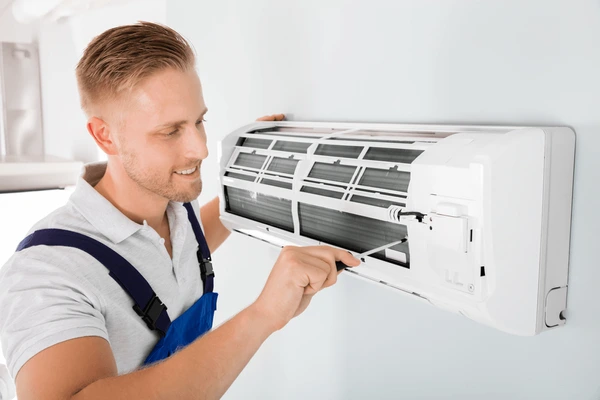
Air filters are among the most important yet frequently neglected components within an HVAC system. Their primary purpose is to capture airborne particles before they enter sensitive equipment or circulate through living areas. Over time, filters accumulate dust, pollen, lint, and other contaminants. When replacement schedules are ignored, these materials can restrict airflow and reduce filtration effectiveness. This not only impacts equipment performance but also influences indoor air quality.
Dirty filters force the system to work harder to move air throughout the home. Reduced airflow can create uneven temperatures and increase energy consumption. At the same time, accumulated debris may begin to bypass the filter or recirculate through the system. Homeowners often notice increased dust accumulation on furniture or worsening allergy symptoms when filtration becomes inadequate. These seemingly minor issues can significantly affect daily comfort.
Beyond filters, other HVAC components can also contribute to indoor air concerns. Evaporator coils, blower assemblies, and drain pans may collect moisture and debris if maintenance is neglected. These conditions can create environments where microbial growth develops. While homeowners rarely see these internal components, their condition can influence the quality of the air moving through the home.
Kova Heating addresses these concerns through comprehensive maintenance services that focus on cleanliness and system performance. Technicians inspect critical components, remove buildup, and ensure that airflow remains unrestricted. By maintaining these areas properly, homeowners can enjoy cleaner air while supporting efficient equipment operation.
Humidity Control and Its Effect on Indoor Health
Humidity plays a significant role in how indoor environments feel and function. Air that contains too much moisture can create a sticky, uncomfortable atmosphere, while overly dry conditions may cause irritation and discomfort. Finding the right balance is essential for maintaining a pleasant indoor environment. HVAC systems contribute to this balance by helping regulate moisture levels throughout the year.
Excess humidity can create conditions that support mold growth and dust mite activity. These issues may negatively affect indoor air quality and contribute to respiratory irritation. Moisture can also damage building materials and furnishings over time. Homeowners who experience persistent condensation or damp conditions should consider whether their HVAC system is effectively managing humidity levels.
Low humidity presents its own challenges. Dry indoor air can lead to skin irritation, static electricity, and discomfort during colder months. It may also affect wooden furnishings and flooring. Maintaining balanced moisture levels helps create a healthier and more comfortable living environment. This balance is often achieved through proper equipment operation and, in some cases, supplemental humidity control solutions.
Kova Heating evaluates humidity levels as part of their overall comfort assessments. By analyzing how heating and cooling equipment affects moisture management, technicians can recommend solutions that improve both comfort and air quality. These recommendations help homeowners create healthier indoor environments throughout the year.
Common Indoor Pollutants Your HVAC System Can Influence
Many indoor pollutants are invisible to the naked eye, making them difficult for homeowners to identify. Dust, pollen, pet dander, mold spores, and fine particulate matter can all circulate through residential environments. While these substances originate from various sources, HVAC systems influence how they move throughout the home. Effective filtration and airflow management are therefore essential for reducing exposure.
Pet owners often experience increased airborne particles due to shedding and dander accumulation. These particles can become trapped within ductwork or circulate continuously if filtration is inadequate. Similar challenges arise during seasonal pollen periods when outdoor contaminants enter the home through open doors and windows. Without proper filtration, these particles may remain suspended in indoor air.
Household activities also contribute to indoor pollution levels. Cooking, cleaning, renovations, and everyday living generate airborne substances that affect air quality. HVAC systems help manage these particles through circulation and filtration. However, neglected equipment may struggle to perform these functions effectively, leading to reduced indoor comfort.
According to guidance available through Energy Star’s heating and cooling resources, efficient HVAC operation contributes to healthier indoor environments while supporting energy performance. Homeowners who prioritize maintenance often experience benefits that extend beyond temperature control.
Ductwork, Ventilation, and Air Distribution
Ductwork serves as the delivery network that carries conditioned air throughout the home. Even when heating and cooling equipment functions properly, damaged or poorly designed ducts can negatively affect air quality and comfort. Leaks, gaps, and restrictions allow conditioned air to escape while introducing contaminants from unconditioned spaces. These issues often remain hidden because duct systems are typically located behind walls, ceilings, or crawl spaces.
Air distribution affects how evenly conditioned air reaches different areas of the home. Poor distribution can create hot spots, cold spots, and inconsistent airflow patterns. In addition to affecting comfort, these imbalances may contribute to dust accumulation and reduced ventilation effectiveness. A properly functioning duct network supports both efficiency and indoor air quality objectives.
Ventilation is equally important because it helps remove stale indoor air while introducing fresh outdoor air. Modern homes are often tightly sealed, which improves efficiency but may limit natural air exchange. Controlled ventilation strategies help maintain healthy indoor environments without sacrificing energy performance. This balance is especially important in homes where occupants spend significant time indoors.
Kova Heating includes ductwork evaluations as part of many system assessments. Technicians identify airflow restrictions, leakage points, and distribution concerns that may be affecting comfort or air quality. Addressing these issues often results in noticeable improvements throughout the home.
How Kova Heating Helps Improve Indoor Air Quality
Kova Heating approaches indoor comfort from a whole-home perspective. Rather than focusing exclusively on heating or cooling output, their team evaluates how equipment performance influences overall living conditions. This includes airflow, filtration effectiveness, humidity management, and ventilation quality. By examining these factors together, they provide solutions that support healthier indoor environments.
Maintenance services play a central role in this process. Routine inspections help identify developing issues before they affect comfort or air cleanliness. Technicians clean critical components, verify proper airflow, and ensure that filtration systems operate effectively. These preventive measures contribute to both equipment reliability and improved indoor conditions.
Kova Heating also helps homeowners understand available upgrade options. Advanced filtration systems, indoor air quality accessories, and modern control technologies can provide meaningful improvements for households with specific concerns. Recommendations are tailored to the needs of each property rather than relying on one-size-fits-all solutions.
Through education and professional guidance, homeowners gain a clearer understanding of how their HVAC systems influence daily life. This knowledge empowers them to make informed decisions that support comfort, efficiency, and long-term wellness.
Conclusion
Indoor air quality is influenced by far more than outdoor conditions. The HVAC system plays a central role in determining how air moves, how contaminants are filtered, and how comfortable a home feels throughout the year. Understanding this relationship allows homeowners to take a more proactive approach to maintaining healthy indoor environments. Small improvements in maintenance and system performance often produce noticeable benefits.
Clean filters, balanced airflow, proper humidity control, and effective ventilation all contribute to better indoor conditions. When these elements work together, homeowners enjoy improved comfort, cleaner air, and more efficient system operation. Neglecting any one of these areas can gradually affect both equipment performance and indoor living conditions.
Research published by the American Council for an Energy-Efficient Economy highlights how efficient building systems contribute to healthier indoor spaces while reducing unnecessary energy consumption. Their work continues to emphasize the value of proper HVAC operation and regular maintenance for long-term residential performance.
If you are concerned about air quality, system performance, or overall home comfort, Kova Heating can provide the expertise needed to identify opportunities for improvement. A professional assessment today can help ensure cleaner air, greater efficiency, and a healthier indoor environment for years to come.