
Introduction
Understanding HVAC lifespan and replacement signs becomes important long before a system actually stops working, although most homeowners only begin looking into it once comfort inside the home starts to shift. Heating and cooling equipment is often assumed to be a long-term installation that quietly runs in the background without much attention, but the reality is far more complex. These systems operate under continuous pressure, responding to temperature changes, airflow resistance, and seasonal demands every single day. Even when everything appears normal at the surface level, internal efficiency may already be weakening. This creates a situation where performance declines silently rather than suddenly.
What makes this process difficult to notice is how gradual it tends to be. Instead of one clear failure point, HVAC systems experience a slow reduction in output over many years. Air distribution becomes less balanced, temperature regulation takes longer to stabilize, and the system begins running for extended periods just to maintain basic comfort levels. Homeowners often compensate without realizing it, adjusting thermostats more frequently or accepting uneven temperatures as normal. Because these changes happen in small increments, they rarely raise immediate concern.
At Kova Heating, system condition is evaluated through real operational behavior rather than surface-level operation. Their technicians focus on airflow consistency, energy usage patterns, and mechanical response time to determine whether a system is still performing efficiently. This approach helps distinguish between equipment that is simply aging and equipment that is no longer cost-effective to operate. By focusing on measurable performance instead of assumptions, homeowners get a clearer picture of their system’s true condition.
According to the U.S. Department of Energy, HVAC systems naturally lose efficiency over time due to wear and reduced mechanical performance.
The Real HVAC Lifespan and Why It Is Never Exact
The lifespan of HVAC equipment is not a fixed number, even though many homeowners expect a simple answer. In reality, performance duration depends heavily on installation quality, environmental exposure, usage frequency, and how consistently maintenance is performed. While general expectations place air conditioning systems in the range of more than a decade of service and heating systems slightly longer, these figures only reflect ideal conditions. Most real-world homes experience a much wider range due to environmental stress and operational demand.
Inside the system, wear develops slowly across multiple components at the same time. Compressors gradually lose compression strength, making it harder to maintain stable cooling output during high-demand periods. Coils accumulate microscopic buildup that reduces heat transfer efficiency, forcing longer operating cycles. Fan assemblies begin to lose precision, which affects how evenly air is distributed throughout the home. None of these issues typically cause immediate failure, which is why systems often continue running long after efficiency has already dropped.
Another challenge is that HVAC decline is rarely obvious in the early stages. The system continues responding to thermostat signals and circulating air, giving the impression that everything is functioning correctly. However, the time required to reach target temperatures slowly increases, which leads to higher energy usage. Homeowners often attribute this to seasonal changes or external weather conditions instead of internal inefficiency. This misunderstanding allows performance loss to continue unnoticed for years.
At Kova Heating, technicians evaluate system lifespan through performance data rather than installation age. They analyze airflow strength, energy consumption patterns, and mechanical responsiveness to determine whether the system is still operating within acceptable efficiency levels. This provides a more accurate understanding of whether continued repairs make sense or whether replacement would be more beneficial in the long run.
How Efficiency Decline Quietly Develops Over Time
Efficiency loss rarely appears as a sudden issue. Instead, it builds gradually through small changes in system behavior that are easy to overlook individually. One of the first noticeable shifts is an increase in energy usage without any change in household habits. The system begins running longer cycles to achieve the same temperature output it once delivered more efficiently. This extended runtime increases energy consumption and places additional strain on internal components.
Another early indicator is slower response time when adjusting temperature settings. The system takes longer to reach desired comfort levels, especially during extreme weather conditions. This delay is often dismissed as normal variation, but it usually reflects reduced operational efficiency. Over time, this slower response becomes more noticeable and begins affecting overall comfort inside the home.
At Kova Heating, efficiency testing involves analyzing real-time performance under actual operating conditions. Technicians compare energy input with output results to determine whether the system is still functioning effectively. This helps identify whether rising costs are caused by external factors or internal mechanical decline. In many cases, inefficiency becomes visible long before a full breakdown occurs.
Modern systems are designed to operate with significantly improved energy efficiency. The Energy Star highlights that updated HVAC equipment can reduce energy consumption while improving indoor comfort consistency.

When Repair Cycles Start Repeating Too Often
As HVAC systems age, repair needs tend to increase in frequency. A unit that once required occasional servicing may begin experiencing multiple issues within a short timeframe. Components such as electrical boards, capacitors, and motors are especially prone to wear after years of continuous operation. While each repair may temporarily restore function, it does not reverse overall system aging.
This creates a pattern where homeowners invest repeatedly in maintaining a system that continues to decline in performance. Another issue is that older systems become more difficult to service due to limited part availability and compatibility concerns. Even when repairs are completed successfully, the system may still not return to its original efficiency level. Over time, these ongoing costs begin to outweigh the value of keeping the system in service.
Kova Heating helps homeowners evaluate whether continued repairs are financially practical. Their technicians provide clear comparisons between ongoing maintenance costs and full system replacement. This allows homeowners to make informed decisions based on long-term value instead of short-term fixes.
When repair frequency increases beyond a reasonable threshold, replacement often becomes the more efficient and cost-effective option.
Comfort Imbalance and Air Distribution Problems
One of the clearest signs of HVAC decline is uneven comfort throughout the home. Certain rooms may feel noticeably warmer or cooler than others, even when the thermostat setting remains unchanged. This imbalance usually develops when airflow strength weakens or when the system can no longer maintain consistent output pressure. Over time, these differences become more noticeable and harder to ignore.
Homeowners often attempt to correct these issues by adjusting thermostat settings or modifying vents, but these changes rarely address the underlying cause. The system itself is no longer capable of distributing air evenly across all zones of the home. As a result, energy usage increases without producing better comfort results.
At Kova Heating, airflow evaluation is performed through detailed system testing. Technicians analyze duct performance, pressure balance, and output distribution to identify the source of inconsistency. In some cases, minor adjustments improve performance, but widespread imbalance often indicates deeper system decline.
When airflow becomes inconsistent across multiple areas, replacement becomes the most reliable way to restore balanced comfort.
Mechanical Noise and Internal Wear Progression
As HVAC systems age, internal components begin to produce sounds that were not present during earlier operation. These may include grinding, rattling, buzzing, or irregular humming during cycles. Such sounds typically indicate mechanical wear, loose components, or strain on internal motors. While some issues can be repaired, persistent noise often signals broader system deterioration.
These sounds usually become more frequent during peak usage periods and may gradually appear during normal operation as well. Ignoring them can accelerate damage to surrounding components and reduce system reliability over time. What starts as a minor mechanical issue can eventually lead to more serious failure if left unresolved.
Kova Heating conducts detailed inspections to determine the cause of abnormal system noise. Their technicians evaluate motor condition, internal alignment, and structural stability to identify whether repair or replacement is appropriate.
A quiet, stable system is usually a sign of healthy operation, while persistent noise often indicates declining mechanical integrity.
Outdated Systems and Modern Technology Limitations
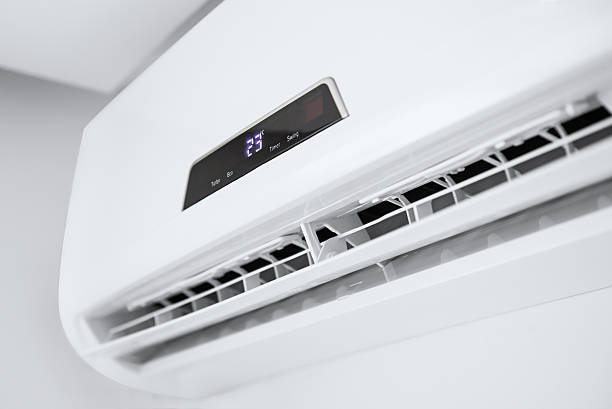
Older HVAC systems often struggle to integrate with modern energy management technology. Features such as smart thermostats, zoning controls, and advanced efficiency systems may not function properly with outdated equipment. This limits the ability to optimize comfort and energy usage effectively.
In many cases, older systems cannot communicate efficiently with newer digital tools. This creates operational inefficiencies that cannot be resolved through simple repairs. As technology continues to advance, the gap between older and newer systems becomes increasingly noticeable.
Kova Heating assists homeowners in upgrading to systems that support modern functionality and improved efficiency. Their recommendations focus on long-term performance, adaptability, and energy savings.
Upgrading ensures the home remains compatible with evolving efficiency standards while improving overall comfort control.
When Replacement Becomes the Logical Outcome
Eventually, every HVAC system reaches a point where continued repair no longer provides meaningful value. At this stage, declining efficiency, rising costs, and reduced reliability begin to outweigh any benefits of keeping the system running. While repairs may temporarily restore function, they cannot reverse long-term wear or restore original performance levels.
Kova Heating helps homeowners evaluate this transition through detailed system assessments and long-term cost comparisons. Their goal is to ensure replacement decisions are based on data rather than uncertainty or urgency.
Modern HVAC systems provide improved efficiency, quieter operation, and better indoor comfort stability. These benefits often make replacement the most practical decision once aging systems show multiple signs of decline.
The American Council for an Energy-Efficient Economy emphasizes that upgrading outdated systems significantly reduces long-term energy waste.
Conclusion
Understanding HVAC lifespan and replacement signs helps homeowners recognize gradual performance changes before they turn into costly problems. HVAC systems rarely fail without warning; instead, they slowly lose efficiency, stability, and responsiveness over time. These changes are often subtle at first, but they eventually affect comfort and energy costs in noticeable ways.
Kova Heating provides expert evaluation that helps homeowners make informed decisions based on real system performance. Their approach focuses on measurable data rather than assumptions, ensuring accurate guidance on repair versus replacement.
Replacing an aging system at the right time improves comfort, reduces energy consumption, and eliminates recurring repair concerns. It also provides access to modern technology that enhances control and efficiency throughout the home.
With professional support from Kova Heating, homeowners can confidently manage HVAC decisions and maintain reliable indoor comfort year-round.