HVAC maintenance tips to prevent expensive repairs are not just helpful suggestions—they are essential practices that determine how long your system lasts and how efficiently it performs. Most homeowners do not realize that HVAC failures rarely happen without warning. Instead, they develop gradually through small inefficiencies such as restricted airflow, dirty components, or unnoticed wear on internal parts. When these early signs are ignored, they eventually lead to breakdowns that require costly repairs or even full system replacement.
Seasonal temperature changes place constant stress on heating and cooling equipment, especially during peak summer and winter months. Systems are forced to run longer cycles, which increases strain on motors, compressors, and airflow components. Without proper maintenance, this added pressure exposes weak points in the system. Over time, this results in uneven temperatures, higher utility bills, and reduced indoor comfort.
At Kova Heating, preventive care is treated as a long-term investment rather than a short-term task. Their technicians focus on identifying inefficiencies early and restoring system balance before major issues develop. This proactive approach helps homeowners avoid emergency repairs while improving overall performance and energy efficiency.
1. Replace Air Filters Regularly
Air filters are often the most overlooked part of an HVAC system, yet they play one of the most important roles in maintaining airflow and efficiency. When filters become clogged with dust, pet hair, and airborne particles, the system has to work significantly harder to push air through the blockage. This added resistance increases energy consumption and puts unnecessary strain on internal components such as the blower motor. Over time, this can lead to overheating, reduced performance, and expensive mechanical issues.
Replacing filters on a regular schedule ensures that air flows freely throughout the system. Clean filters help maintain balanced airflow, which allows the equipment to operate efficiently without excessive strain. This also improves indoor air quality, which is especially important for households with allergies or respiratory sensitivities. Many homeowners notice immediate improvements in comfort and airflow once a dirty filter is replaced.
At Kova Heating, filter condition is always one of the first things checked during maintenance visits. Their technicians evaluate how quickly filters are accumulating debris and recommend replacement intervals based on real household conditions. This ensures the system is always operating under optimal airflow conditions rather than generic timelines.
According to the U.S. Department of Energy, clean filters can significantly improve system efficiency and reduce operating costs. This simple habit is one of the easiest ways to prevent unnecessary repairs while extending system lifespan.
2. Schedule Professional Inspections
Professional HVAC inspections provide a complete evaluation of system health that goes far beyond surface-level observation. During these inspections, technicians examine electrical connections, refrigerant levels, airflow performance, and mechanical operation. These detailed assessments allow small issues to be identified before they escalate into expensive repairs. Without this level of evaluation, many problems remain hidden until the system begins to fail.
Kova Heating performs in-depth inspections designed to improve both performance and reliability. Their technicians test system operation under different conditions and analyze how each component interacts with the others. This helps identify inefficiencies that may not be visible during normal operation. By addressing these early, homeowners avoid unexpected breakdowns during peak seasons.
Regular inspections also provide clarity for homeowners who may not fully understand how their system is performing. Instead of guessing whether something is wrong, they receive a clear report outlining system condition and recommended improvements. This transparency helps with long-term planning and maintenance decisions.
The EnergyStar HVAC guidelines emphasize that routine professional maintenance is one of the most effective ways to reduce energy consumption and improve system longevity. Following this advice ensures consistent performance year-round.
3. Clean Coils and Internal Components
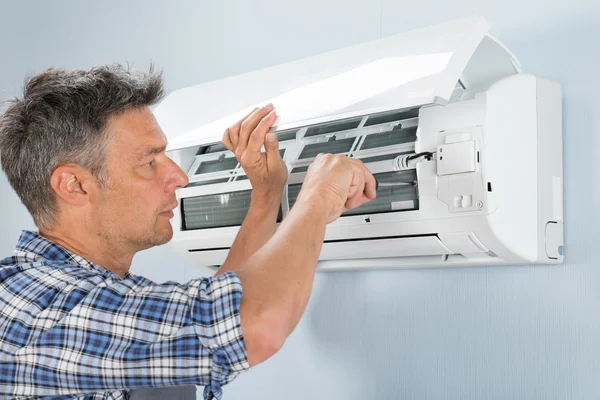
Coils are responsible for transferring heat, which makes them one of the most critical parts of any HVAC system. When dirt and debris accumulate on these surfaces, heat exchange becomes less efficient. This forces the system to run longer cycles in order to achieve the same temperature, increasing energy usage and wear on components.
Kova Heating performs detailed coil cleaning as part of their maintenance process to ensure optimal heat transfer. Their technicians remove buildup that restricts performance and restore proper system efficiency. Clean coils allow the system to cool or heat spaces more effectively without unnecessary strain.
When coil maintenance is ignored, the system gradually loses performance. Homeowners may notice longer run times, reduced cooling power, or inconsistent temperatures throughout the home. These issues often develop slowly, making them easy to overlook until they become more serious.
Regular cleaning helps prevent these problems and keeps the system operating efficiently. It also reduces the likelihood of compressor damage, which is one of the most expensive components to replace.
4. Monitor Refrigerant Levels
Refrigerant is essential for absorbing heat from indoor air and releasing it outside. When levels drop, the system loses its ability to cool effectively. This results in longer operating cycles, reduced comfort, and increased energy consumption.
Kova Heating technicians carefully measure refrigerant levels during maintenance visits and check for potential leaks. Their training allows them to identify issues early and restore proper balance safely. This prevents unnecessary strain on the compressor and other key components.
Low refrigerant is often a symptom of a leak somewhere in the system. Ignoring this issue can lead to serious damage over time, including complete system failure. Addressing it early is critical for long-term reliability.
Maintaining correct refrigerant levels ensures consistent cooling performance and protects the overall system from unnecessary wear.
5. Inspect and Seal Ductwork
Ductwork plays a major role in delivering conditioned air throughout the home. If there are leaks, blockages, or poor connections, airflow becomes uneven and inefficient. This often leads to certain rooms being too hot or too cold.
Kova Heating performs detailed duct inspections to identify leaks and airflow issues. Sealing these gaps improves efficiency and ensures air reaches every part of the home properly. This reduces wasted energy and enhances comfort.
Many homeowners assume their HVAC system is failing when the real issue lies within the ductwork. Correcting these inefficiencies often restores proper performance without replacing major equipment.
Properly sealed ducts also improve indoor air quality by reducing dust circulation and maintaining balanced humidity levels.
6. Verify Thermostat Precision
A thermostat acts as the command center for indoor climate control, so even minor inaccuracies can disrupt how the entire setup behaves. When readings are off, the equipment may run longer than necessary or shut down before the space reaches a comfortable level. This mismatch often creates uneven temperatures and unnecessary strain on the machinery. Many homeowners misinterpret this as a larger mechanical failure when the actual issue is a simple calibration drift. That misunderstanding often leads to avoidable service costs.
Location plays a major role in how well the device performs. If it sits near sunlight exposure, kitchen heat, or ventilation drafts, it can misread conditions and trigger incorrect responses. Over time, this leads to inconsistent cycling patterns that waste energy and reduce comfort. Even a slight placement flaw can distort how the entire system reacts to temperature changes. These small environmental factors are often overlooked until performance starts to feel unreliable.
At Kova Heating, calibration checks are part of routine service because accuracy directly influences efficiency. Technicians evaluate sensor response, wiring stability, and installation positioning to ensure correct readings. If needed, adjustments or upgrades are recommended to improve responsiveness. Modern programmable devices are often suggested when older units begin showing inconsistent behavior. This helps restore proper coordination between user settings and actual output.
Smart controls also introduce automation that improves daily efficiency without constant manual input. They can adapt to usage habits, adjust based on occupancy, and reduce unnecessary runtime. When installed and configured correctly by professionals, they help stabilize indoor conditions while lowering overall demand on the system. That combination of precision and automation creates a noticeable improvement in comfort consistency.
7. Maintain Outdoor Equipment Area
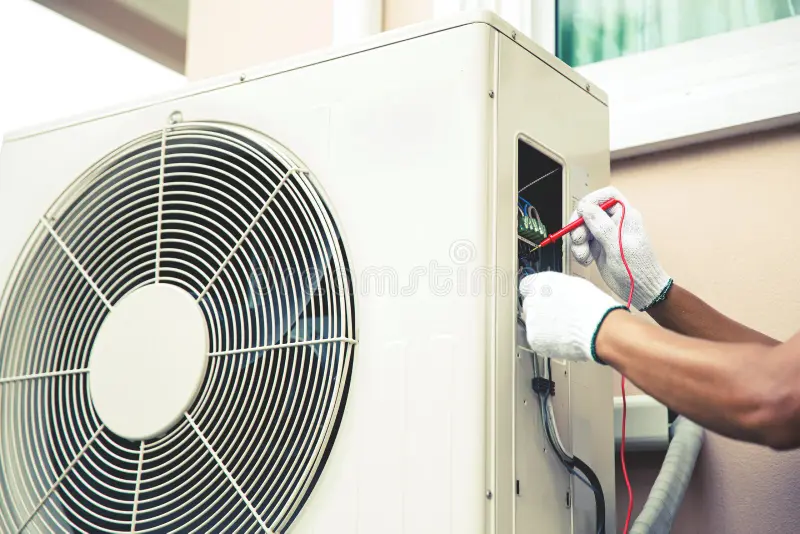
The external condenser is constantly exposed to environmental conditions, making it one of the most vulnerable parts of the entire setup. Dirt, foliage, grass trimmings, and airborne debris gradually collect around it, restricting airflow. When circulation is blocked, heat release becomes inefficient, forcing internal components to operate under higher pressure. Over time, this can reduce performance and increase wear on critical parts. If neglected, it may eventually lead to overheating issues.
Seasonal changes often intensify this problem, especially during windy or dry periods when debris accumulates faster. Landscaping too close to the unit can also restrict ventilation without homeowners realizing it. Even decorative fencing or storage placement nearby can impact airflow. These external factors slowly reduce efficiency without obvious warning signs. Regular clearance is necessary to maintain proper function.
Kova Heating includes outdoor system evaluation as part of their maintenance approach. Technicians remove obstructions, check airflow clearance, and assess coil condition to ensure unrestricted operation. They also verify that surrounding space meets proper ventilation standards. This helps restore optimal performance and prevents unnecessary strain during heavy usage seasons. Small environmental corrections often make a noticeable difference in efficiency.
Keeping the external unit clean and unobstructed also reduces energy demand. When air movement is smooth, heat exchange happens faster, allowing shorter operating cycles. That reduces electrical consumption and minimizes mechanical fatigue. Over time, consistent upkeep of the surrounding area contributes significantly to equipment longevity and stable performance.
8. Examine Electrical Infrastructure
Electrical pathways within a climate control setup are essential for safe and stable operation. Components such as capacitors, relays, wiring lines, and connectors must all function in harmony. When any part begins to weaken, the entire system may show irregular behavior such as delayed startups or sudden shutdowns. These symptoms often appear intermittently, making them difficult to diagnose without proper tools. Ignoring them can eventually lead to full operational failure.
Wear on electrical elements usually develops gradually due to heat cycles, vibration, and continuous usage. Over time, connections loosen and components lose efficiency. This does not always stop the system immediately, but it reduces reliability and increases operational stress. In some cases, it can also create safety risks if left unresolved for too long. Early detection is key to avoiding larger complications.
At Kova Heating, electrical diagnostics are handled with precision during maintenance visits. Technicians test voltage levels, inspect wiring conditions, and evaluate component performance under load. If any weakness is detected, corrective action is taken before it escalates into a failure. This preventive approach ensures stability and reduces the risk of sudden outages during peak seasons.
A stable electrical foundation improves overall system behavior significantly. When all connections function properly, the equipment operates more smoothly and efficiently. It also reduces unnecessary stress on motors and compressors, helping extend their service life. That balance between safety and performance is critical for long-term reliability.
9. Service Moving Mechanisms
Inside every heating and cooling setup, there are mechanical parts that rely on smooth movement to function properly. Motors, fan assemblies, and bearings all require lubrication to reduce friction. Without it, resistance builds up, causing overheating, noise, and gradual wear. This kind of deterioration often starts subtly but worsens over time if ignored. Eventually, it can lead to mechanical failure.
One of the earliest signs of friction-related wear is unusual sound activity. Squealing, grinding, or rattling noises usually indicate that components are not moving as they should. These sounds should never be ignored because they typically signal internal stress. If left unaddressed, they can lead to expensive part replacement or full system breakdown. Early attention prevents escalation.
Kova Heating performs lubrication checks during scheduled servicing to ensure smooth mechanical function. Their technicians apply appropriate lubricants and inspect all moving assemblies for wear. This reduces resistance, improves airflow consistency, and minimizes operational strain. It also helps maintain quieter overall performance, which is often noticed immediately by homeowners.
Proper lubrication contributes directly to system longevity. When parts move freely, less energy is required to maintain performance. That reduces strain on motors and lowers overall consumption. Over time, this simple maintenance step plays a major role in preventing avoidable repair expenses.
10. Commit to a Structured Service Program
A structured service program is one of the most effective ways to maintain long-term system stability. Instead of reacting to breakdowns, scheduled care focuses on prevention through consistent evaluations. This includes seasonal inspections, performance tuning, cleaning, and system balancing. Over time, this approach significantly reduces unexpected repair situations. It also helps maintain steady comfort levels throughout the year.
Without regular attention, small inefficiencies tend to build up unnoticed. Dust accumulation, airflow imbalance, and component fatigue can all reduce overall performance gradually. A structured program ensures these issues are identified early before they turn into major problems. That consistency is what keeps equipment operating reliably under different weather conditions. It also reduces long-term financial burden.
According to the American Council for an Energy-Efficient Economy (ACEEE), consistent preventive maintenance is one of the most effective ways to reduce long-term energy waste and improve overall HVAC performance in residential systems.
Kova Heating offers maintenance programs designed to support long-term reliability and efficiency. Their service plans include scheduled visits, priority support, and detailed system assessments. This ensures that equipment remains in optimal condition throughout seasonal changes. It also gives homeowners peace of mind knowing their system is professionally monitored.
Over time, structured care leads to fewer breakdowns, improved energy efficiency, and extended equipment lifespan. Instead of facing sudden repair costs, homeowners benefit from predictable maintenance and stable performance. That combination of reliability and cost control makes ongoing service one of the most valuable investments for any home system.
Conclusion
Following these HVAC maintenance tips to prevent expensive repairs helps homeowners protect their systems from unnecessary breakdowns and rising energy costs. Each step contributes to improved efficiency, better comfort, and longer equipment lifespan. Small maintenance habits can make a significant difference in long-term performance.
Kova Heating provides professional maintenance services designed to keep HVAC systems running at peak efficiency. Their expertise ensures that potential issues are identified early and resolved before they become costly repairs.
By combining homeowner care with professional servicing, systems remain reliable even during extreme weather conditions. This balanced approach ensures consistent comfort throughout the year.
For dependable HVAC care, Kova Heating remains a trusted partner in maintaining efficiency, comfort, and system longevity.
Internal Links
- https://kovaheating.com
- https://kovaheating.com/heating-services-88/
- https://kovaheating.com/contact/